The divine role of a man in their household has been watered down by society. Due to the breakdown in the family that has been a gradual process over decades, men have lost their identity, function and position in the family. The established role that the Lord created for men has become blurred lines in relation to the roles between husband and wife.
In the Garden of Eden, a man was created in His own image. In the image of God, He created him; male and female He created them. Gen 1:27 A woman was created as a helpmate. Gen 1:20-24
“Let him have dominion over the fish of the sea, over the birds of the air, and over the cattle, over all the earth and over every creeping thing that creeps on the earth.” Gen 1:26
The Lord established the man to be the head of the household. He was designed to lead with Godly wisdom, authority and integrity. He was not created to take advantage of his own strength and power to dominate but to lead with holiness, authority and dominion.
When women began to work outside of the home, it shifted the whole dynamics of the family structure and foundation. There was a constant power struggle between the husband and wife which applied pressure on the family not to mention societal and economic pressures. Not only was there a power struggle, but there was an identity crisis, character flaws and a lack of Biblical values and principles established to build a strong foundation. With the rise of inflation, it’s nearly impossible to have only one source of income in the household. This has added financial conflicts, tension, anxiety and increased stress levels in the family.
In Esphesian 5:25-27, it states, “25 Husbands, love your wives, even as Christ also loved the church, and gave himself for it; 26 That he might sanctify and cleanse it with the washing of water by the word, 27 That he might present it to himself a glorious church, not having spot, or wrinkle, or any such thing; but that it should be holy and without blemish.
In an act of obedience and commitment, the foundation established by a strong family result in raising up disciplined and respectful children.
“Train up a child in which way he should go and when he is old, he will not depart from it.” Prov 22:6
The importance of instruction, discipline, obedience and guidance in raising a child in their early stages of life reflects the Lord’s natural and spiritual design and intentions for the family.
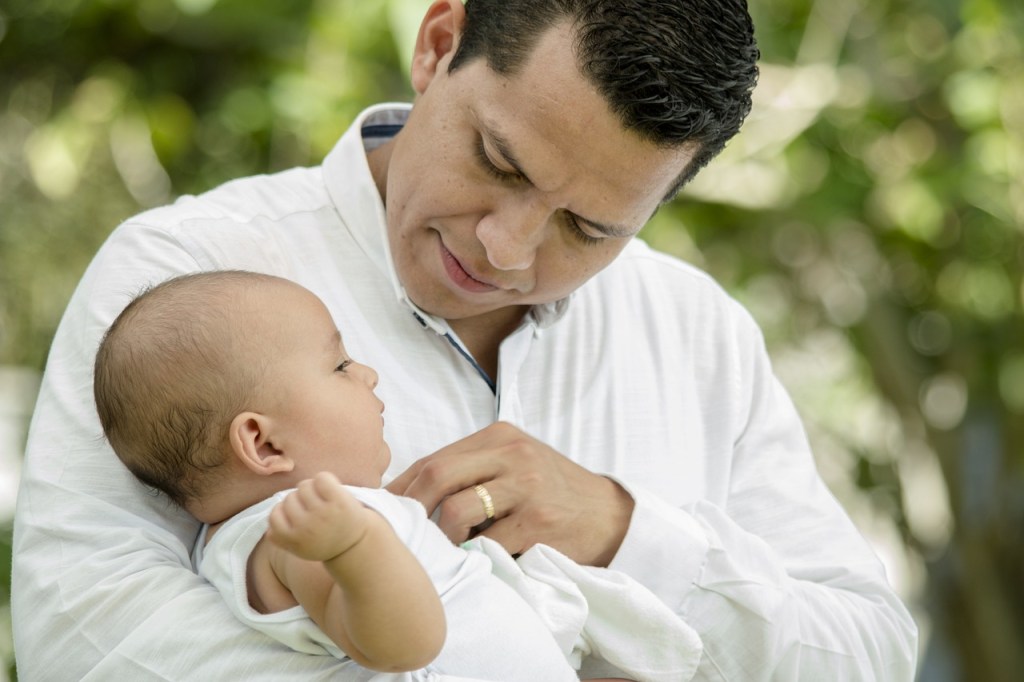
The role of a father is one of great sacrifice and dedication to the family. He has great responsibility and many heavy burdens that should be released to the Lord to carry – not only financially but mentally, emotionally, psychologically and spiritually.
As we honor Father’s Day, may we celebrate the strength and endurance of the men who lead with dignity, wisdom and strength in a world that is constantly changing and with the demands and pressures of life that are fierce to undertake.
Prayer for Our Fathers
For the fathers who have lost children, may the Lord comfort and strengthen you in your time of grief. May you receive courage, support and encouragement to fill the pain and void in your life.
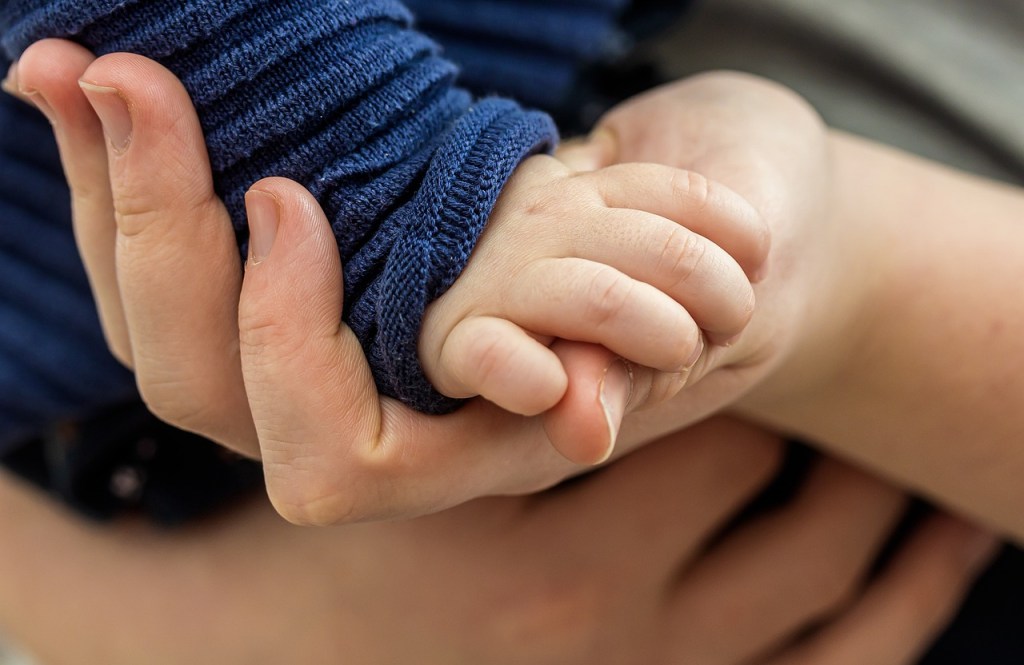
May you walk with the hand of the Father who guides every step you take and every decision you make. May you desire a deeper relationship with the Lord to overcome every challenge, opposition or temptation that you face. May the hand of God shield and protect you and your family from any harm or danger as you walk in faith and lead with integrity, courage and tenacity in every area- family, business and life.. With trust and assurance, may you receive the provision and abundant blessings of peace, rest and grace to sustain you.
Mothers are a reflection of God’s love. Unfortunately, not all mothers have the same heart and intentions for their children. It’s heartbreaking to hear stories of abuse, neglect, rejection, and abandonment.
On the other side of the spectrum, Mother’s Day magnifies the heartache and pain of losing a child. For women who’ve lost their son or daughter through sickness, drug addiction, suicide, gun violence or a tragic accident, you are not forgotten. You may find support for your loved one at The Angel Mom Collective and SayTheirNamesMonuments. May the Lord strengthen and comfort all mothers grieving the loss of a child.
The qualities of a mother embodies genuine love, sacrifice, wisdom, compassion, strength and nurturing characteristics.
InProverbs 31:26-30, it states, “Strength and honor are her clothing; and she shall rejoice in time to come.26 She openeth her mouth with wisdom; and in her tongue is the law of kindness.27 She looketh well to the ways of her household, and eateth not the bread of idleness.28 Her children arise up, and call her blessed; her husband also, and he praiseth her.29 Many daughters have done virtuously, but thou excellest them all.30 Favor is deceitful, and beauty is vain: but a woman that feareth the Lord, she shall be praised.
We are living in a time where mothers are under extreme pressure to raise their children. Their focus to protect them from physical harm and danger as well as implement online safety measures leaves mothers with profound anxieties and fears.
When you can shift your focus to the Lord’s protection and guidance and teach them Biblical values and morals when they’re young, the Lord will continuously chase after that one child all the days of their life. A child void of the absence of God is in extreme danger of the devices, plots and schemes of the enemy. When they are not raised with a spiritual foundation, they are led into the world that will eventually devour their life because they were not given the spiritual tools to overcome sin, temptations of the flesh, understand their identity in Christ, stand in faith, develop resilience in hardship and fight spiritual warfare.
The devil comes to kill, steal and destroy, but I have come to give you life more abundantly.
John 10:10
If you are a young mother or currently pregnant, I encourage you to build a strong foundation on the Word of God. When a child is born, it’s important to baptize and christen a baby for spiritual covering and protection. When they’re older, they will have the opportunity to make a decision to be baptized in the Holy Spirit in a public declaration and receive salvation as a confession of true repentance.
Spiritual practice and teaching start at the home. Unfortunately, some adults are acting out as bad as children. Making sound decisions, being respectful to others, showing appreciation and living honorably is a commodity. The fruits of the spirit which consists of love, joy peace, patience, kindness, goodness, faithfulness, gentleness and self-control are in high demand in society.
As parents, you should reflect a spiritual nature as a role model for your children. Children are like sponges and will absorb the same characteristics and qualities that they see in their lives. They are highly influenced by their environment and with the impact of information at their fingertips through the internet and social media, it’s making it harder to regulate what your child is exposed to and if they are living in a toxic and unstable environment, they will also mirror the same values and attributes.
Unfortunately, in today’s world, some children are very disrespectful to their parents, authority figures, and adults, in general. There is a deteriorating of morals, values and Biblical principles. This problem is infecting out social and educational system. It’s like a viral cancer that has spread across the nation.
It will take community to repair the damage of the moral decay that we are currently experiencing in this country and around the globe. The famous saying, “It takes a whole village to raise a child,” is just an example of what’s needed at this time.
As we celebrate and honor mothers for their sacrifice, hard work, generosity, selflessness, strength and dedication, let us grow a as a community [in unity] to reflect the love of Christ everywhere we go. As the world continues to rapidly change, we must stand in agreement with God’s plan and purpose for our lives.
Mothers have great purpose and responsibilities to their children’s upbringing and household. Their sphere of influence sometimes goes unnoticed, and they may feel unappreciated. As we celebrate Mother’s Day, let us reflect on all they have done and all that they will do. Also, if you’ve lost your mother and grieving her loss, may you hold and treasure the memories, let go of any unresolved issues of anger, pain, resentment or bitterness and embrace her everlasting love.
Forgiveness is often perceived as an act of kindness, a way of letting go of past grievances. Yet, forgiveness is much more than just a moral duty or a selfless gift to others. It is a powerful, life-changing practice that can bring profound freedom and healing. In a world filled with hurt, betrayal, and misunderstanding, forgiveness holds the key to restoring peace, not just with others, but within ourselves.
In this article, we will explore the strength of forgiveness, why it is essential, and how embracing it can lead us closer to true healing and freedom.
Photo image from Pixabay Photographer Unknown
The Power of Letting Go
At its core, forgiveness is the act of releasing the pain and anger caused by someone’s actions. When we forgive, we let go of the emotional burden that holds us hostage. Forgiveness is not about excusing the wrongs done to us or pretending that they never happened. Rather, it is about choosing to release the power that those wrongs hold over our lives.
When we carry grudges or dwell on offenses, we often end up hurting ourselves more than anyone else. Holding onto anger may feel justifiable in the moment, but over time, it can cloud our judgment, distort our relationships, and weigh down our spirits. Forgiveness breaks this cycle, allowing us to move forward with peace and a renewed sense of hope.
Many find that exploring deeper spiritual insights can support them on this journey. Resources like Spiritual Life Stories offer enriching perspectives on forgiveness and healing, guiding individuals to embrace this transformative practice with compassion and grace.
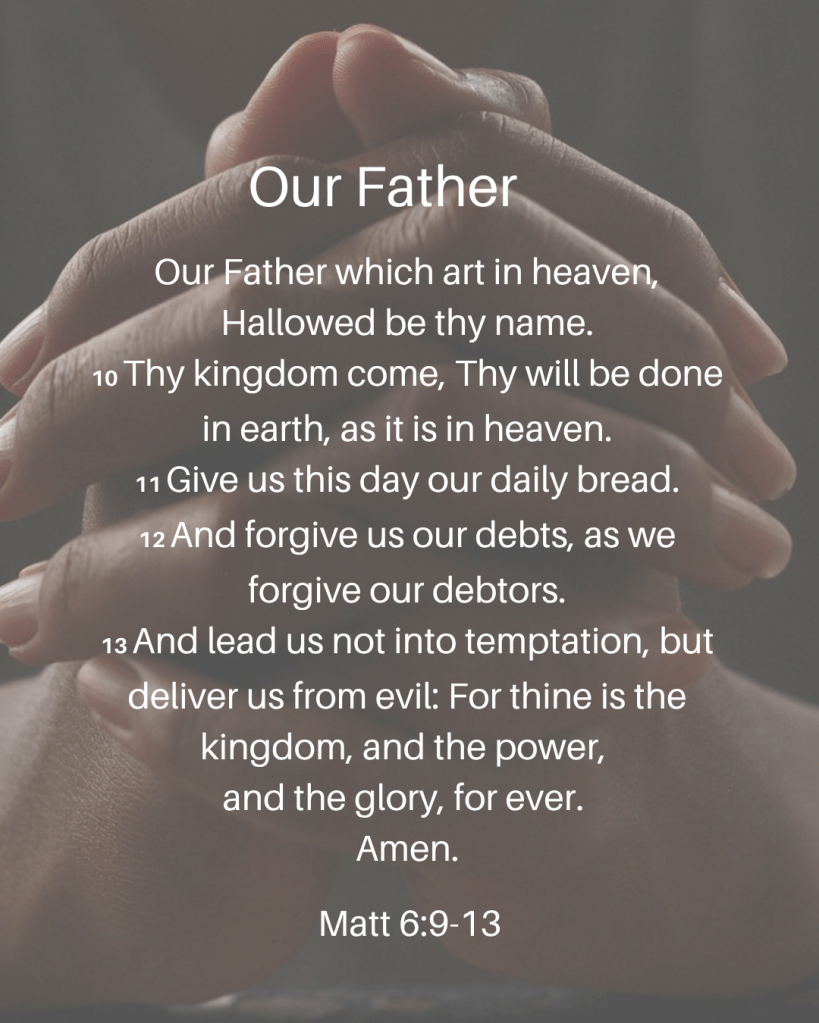
In Christianity, forgiveness is deeply rooted in the teachings of Jesus. One of the most well-known passages on forgiveness comes from the Lord’s Prayer, where Jesus instructs us to pray, “Forgive us our trespasses, as we forgive those who trespass against us.”(Matthew 6:12, KJV). Jesus calls us not only to seek forgiveness but to extend it to others as well.
The Bible teaches us that forgiveness is a central component of our relationship with God and with others. Jesus himself demonstrated ultimate forgiveness on the cross when, as he was being crucified, he said, “Father, forgive them, for they do not know what they are doing.”(Luke 23:34). This radical act of forgiveness shows us the depth of God’s grace and calls us to embody that same forgiveness in our lives.
Forgiveness is not easy, especially when the pain runs deep. But we are reminded in Scripture that God forgives us, and in turn, we are called to forgive others. In Ephesians 4:32, Paul writes, “Be kind and compassionate to one another, forgiving each other, just as in Christ God forgave you.” Our forgiveness of others is a reflection of the grace we have received from God, and it is through this grace that we find healing.
When we choose forgiveness, we make a conscious decision to let go of the negativity that weighs on our hearts. Holding onto anger or resentment can create a toxic environment in our minds, leading to stress, bitterness, and even physical ailments. Studies have shown that unforgiveness can increase anxiety, depression, and blood pressure. On the other hand, when we forgive, we allow peace to replace bitterness, and healing to take place.
Forgiveness doesn’t mean that we forget the wrongs done to us or that we condone the harmful behavior. Rather, it means that we are choosing to release the hold that those negative feelings have over us. In this process, we find freedom—a freedom that allows us to move forward without the heavy burden of past pain.
The act of forgiving can feel like a weight has been lifted from our shoulders. It creates space for healing, not only in our hearts but in our relationships. It allows us to start fresh, without the emotional baggage of resentment dragging us down.
The Healing Process of Forgiveness
Forgiveness is not always a one-time event. Sometimes, it takes time to truly forgive, especially when the hurt is deep or ongoing. The healing process is different for everyone, and it’s important to give ourselves the grace to go through it at our own pace.
Start by acknowledging the pain. It’s okay to feel hurt, angry, or betrayed. These emotions are valid, and it’s important to process them before we can truly forgive. Suppressing or ignoring our feelings only prolongs the healing process. But as we face the pain, we can begin to release it, one step at a time.
Remember that forgiveness is a gift we give ourselves, not just the person who hurt us. It’s about reclaiming our peace and our joy. Sometimes, forgiveness involves setting healthy boundaries or seeking reconciliation, but it always starts with the decision to let go of the need for revenge or justice and embrace grace instead.
One of the most powerful aspects of forgiveness is its ability to create a ripple effect. When we forgive, we not only heal ourselves, but we also contribute to healing those around us. Forgiveness has the power to mend broken relationships, restore trust, and create a culture of compassion and understanding.
When others see us choose forgiveness over bitterness, it can inspire them to do the same. Forgiveness encourages empathy, fosters unity, and promotes peace in our families, workplaces, and communities. It teaches us that, despite our differences and struggles, we are all human, and we all need grace.
The ripple effect of forgiveness extends beyond our immediate relationships. It impacts the way we interact with the world. When we walk in forgiveness, we choose to be agents of peace in a world that desperately needs it.
Forgiveness and Self-Forgiveness
While we often think about forgiveness in terms of others, it’s equally important to practice self-forgiveness. Many of us carry guilt and shame from our own mistakes and regrets. We may struggle to forgive ourselves, believing that we are unworthy of grace.
But the truth is, just as God forgives us, we are called to forgive ourselves. In 1 John 1:9, we are reminded, “If we confess our sins, he is faithful and just to forgive us our sins and to cleanse us from all unrighteousness.” Just as God forgives us, we must learn to forgive ourselves, releasing guilt and shame and embracing the freedom that comes from knowing we are forgiven.
Self-forgiveness is a powerful step toward healing and growth. It allows us to move forward in life with a sense of peace and purpose, knowing that we are not defined by our past mistakes but by the grace of God.
Forgiveness is not easy, but it is one of the most powerful tools we have for healing and freedom. It’s an act of strength, not weakness, and it allows us to break free from the chains of anger, resentment, and bitterness. Forgiveness brings peace to our hearts, healing to our relationships, and freedom to our souls.
When we choose to forgive, we walk in the footsteps of Christ, reflecting the grace and mercy that He extends to us each day. Forgiveness is a gift we give ourselves and those around us—a gift that has the power to transform lives, restore peace, and heal wounds.
So, if you are struggling with forgiveness, remember that it is a process, not a destination. Take it one step at a time, and know that in choosing forgiveness, you are walking in strength, healing, and the freedom that God desires for you.
May you take time to reflect on Jesus during this Resurrection season and on the act of unconditional love, grace and forgiveness that Jesus provides.
If you enjoyed this post, please share or leave your comments below.
This post was generated partially with AI and modified by the contributing author.
ContributingAuthor Bio: Zeeva Usman is an experienced content manager at Christian Marketing. Experts and a content specialist at Salt of Heaven, where she uses her expertise to create impactful, faith-centered content. When she’s not crafting words, Zeeva finds joy in worshiping and singing for the Lord Jesus, drawing inspiration from her faith to encourage others.
Subscribe to the newsletter which is sent directly to your inbox for devotional-style encouragement and inspirational messages, purpose-driven tools and resources created for the Body of Christ as well as faith-based entrepreneurs, creatives, personal brands, non-profits and ministry organizations. Stay current with the latest updates and strengthen your walk in the Lord.
















 Writing with Purpose