We are entering into the great procession that leads to the mark of the crucifixation, death, burial and resurrection of Jesus. The sacrificial lamb who gave his life for the penalty of sin. As we acknowledge and celebrate the Savior who overcame death and the grave and is risen and seated at the right hand of the Father, we proclaim victory of the fulfilling prophecy. (Zech 9:9)
As we reflect on the triumphant entry of Jesus entering Jerusalem on a donkey which symbolizes humility of whom represented peace and servanthood, let us welcome the King of Kings and the Lord of Lords, “Hosanna, in the Highest!”
Due to the war in Iran, all celebrations have been cancelled. As we reflect on Adonai during Holy Week, let us pray for peace and the Lord’s intervention and restoration on the continuous issues around the world.
Prayer:
Lord, we thank you for being the head of our lives. We honor and praise your name for who you are as King of King and Lords of Lords. May you provide sovereign protection over the United States and throughout all nations. May we join in repentance for the nation for the sins of injustice, idolatry, greed, and every disgraceful action, thought or deed upon the land. Uproot it and wash this nation clean. Restore our land. May we seek your face for wisdom and mercy. We ask that you heal the land and purge it of all iniquity. We thank you for taking all the sin of man and making it your own to carry on the Cross. We acknowledge your sacrificial love and we bless your Holy name.
Forgiveness is often perceived as an act of kindness, a way of letting go of past grievances. Yet, forgiveness is much more than just a moral duty or a selfless gift to others. It is a powerful, life-changing practice that can bring profound freedom and healing. In a world filled with hurt, betrayal, and misunderstanding, forgiveness holds the key to restoring peace, not just with others, but within ourselves.
In this article, we will explore the strength of forgiveness, why it is essential, and how embracing it can lead us closer to true healing and freedom.
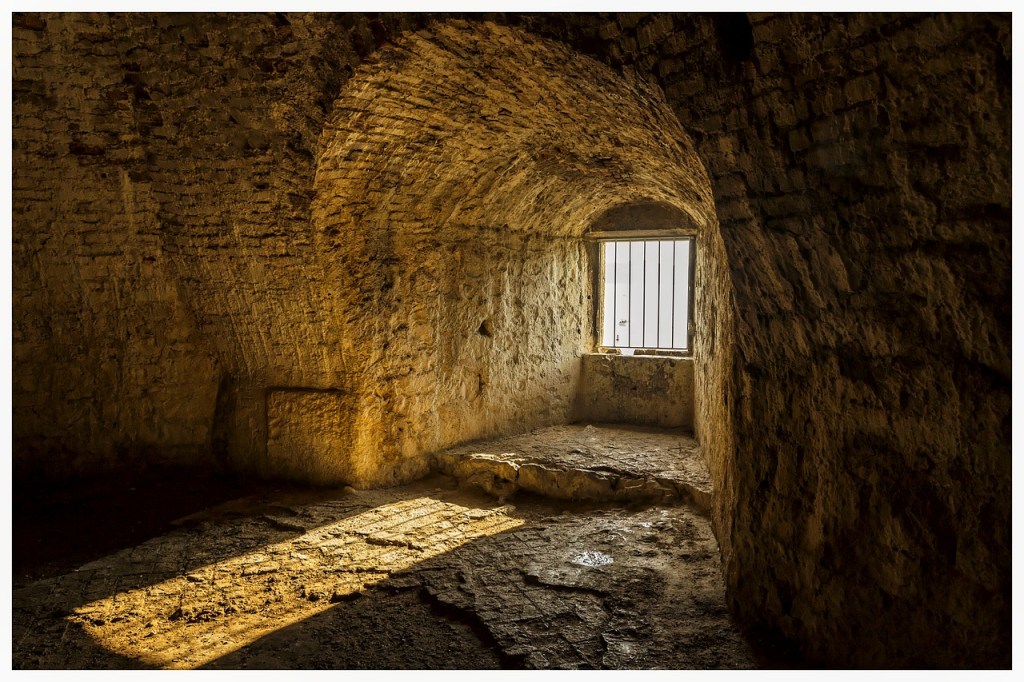
Photo image from Pixabay Photographer Unknown
The Power of Letting Go
At its core, forgiveness is the act of releasing the pain and anger caused by someone’s actions. When we forgive, we let go of the emotional burden that holds us hostage. Forgiveness is not about excusing the wrongs done to us or pretending that they never happened. Rather, it is about choosing to release the power that those wrongs hold over our lives.
When we carry grudges or dwell on offenses, we often end up hurting ourselves more than anyone else. Holding onto anger may feel justifiable in the moment, but over time, it can cloud our judgment, distort our relationships, and weigh down our spirits. Forgiveness breaks this cycle, allowing us to move forward with peace and a renewed sense of hope.
Many find that exploring deeper spiritual insights can support them on this journey. Resources like Spiritual Life Stories offer enriching perspectives on forgiveness and healing, guiding individuals to embrace this transformative practice with compassion and grace.
In Christianity, forgiveness is deeply rooted in the teachings of Jesus. One of the most well-known passages on forgiveness comes from the Lord’s Prayer, where Jesus instructs us to pray, “Forgive us our trespasses, as we forgive those who trespass against us.”(Matthew 6:12, KJV). Jesus calls us not only to seek forgiveness but to extend it to others as well.
The Bible teaches us that forgiveness is a central component of our relationship with God and with others. Jesus himself demonstrated ultimate forgiveness on the cross when, as he was being crucified, he said, “Father, forgive them, for they do not know what they are doing.”(Luke 23:34). This radical act of forgiveness shows us the depth of God’s grace and calls us to embody that same forgiveness in our lives.
Forgiveness is not easy, especially when the pain runs deep. But we are reminded in Scripture that God forgives us, and in turn, we are called to forgive others. In Ephesians 4:32, Paul writes, “Be kind and compassionate to one another, forgiving each other, just as in Christ God forgave you.” Our forgiveness of others is a reflection of the grace we have received from God, and it is through this grace that we find healing.
When we choose forgiveness, we make a conscious decision to let go of the negativity that weighs on our hearts. Holding onto anger or resentment can create a toxic environment in our minds, leading to stress, bitterness, and even physical ailments. Studies have shown that unforgiveness can increase anxiety, depression, and blood pressure. On the other hand, when we forgive, we allow peace to replace bitterness, and healing to take place.
Forgiveness doesn’t mean that we forget the wrongs done to us or that we condone the harmful behavior. Rather, it means that we are choosing to release the hold that those negative feelings have over us. In this process, we find freedom—a freedom that allows us to move forward without the heavy burden of past pain.
The act of forgiving can feel like a weight has been lifted from our shoulders. It creates space for healing, not only in our hearts but in our relationships. It allows us to start fresh, without the emotional baggage of resentment dragging us down.
The Healing Process of Forgiveness
Forgiveness is not always a one-time event. Sometimes, it takes time to truly forgive, especially when the hurt is deep or ongoing. The healing process is different for everyone, and it’s important to give ourselves the grace to go through it at our own pace.
Start by acknowledging the pain. It’s okay to feel hurt, angry, or betrayed. These emotions are valid, and it’s important to process them before we can truly forgive. Suppressing or ignoring our feelings only prolongs the healing process. But as we face the pain, we can begin to release it, one step at a time.
Remember that forgiveness is a gift we give ourselves, not just the person who hurt us. It’s about reclaiming our peace and our joy. Sometimes, forgiveness involves setting healthy boundaries or seeking reconciliation, but it always starts with the decision to let go of the need for revenge or justice and embrace grace instead.
One of the most powerful aspects of forgiveness is its ability to create a ripple effect. When we forgive, we not only heal ourselves, but we also contribute to healing those around us. Forgiveness has the power to mend broken relationships, restore trust, and create a culture of compassion and understanding.
When others see us choose forgiveness over bitterness, it can inspire them to do the same. Forgiveness encourages empathy, fosters unity, and promotes peace in our families, workplaces, and communities. It teaches us that, despite our differences and struggles, we are all human, and we all need grace.
The ripple effect of forgiveness extends beyond our immediate relationships. It impacts the way we interact with the world. When we walk in forgiveness, we choose to be agents of peace in a world that desperately needs it.
Forgiveness and Self-Forgiveness
While we often think about forgiveness in terms of others, it’s equally important to practice self-forgiveness. Many of us carry guilt and shame from our own mistakes and regrets. We may struggle to forgive ourselves, believing that we are unworthy of grace.
But the truth is, just as God forgives us, we are called to forgive ourselves. In 1 John 1:9, we are reminded, “If we confess our sins, he is faithful and just to forgive us our sins and to cleanse us from all unrighteousness.” Just as God forgives us, we must learn to forgive ourselves, releasing guilt and shame and embracing the freedom that comes from knowing we are forgiven.
Self-forgiveness is a powerful step toward healing and growth. It allows us to move forward in life with a sense of peace and purpose, knowing that we are not defined by our past mistakes but by the grace of God.
Forgiveness is not easy, but it is one of the most powerful tools we have for healing and freedom. It’s an act of strength, not weakness, and it allows us to break free from the chains of anger, resentment, and bitterness. Forgiveness brings peace to our hearts, healing to our relationships, and freedom to our souls.
When we choose to forgive, we walk in the footsteps of Christ, reflecting the grace and mercy that He extends to us each day. Forgiveness is a gift we give ourselves and those around us—a gift that has the power to transform lives, restore peace, and heal wounds.
So, if you are struggling with forgiveness, remember that it is a process, not a destination. Take it one step at a time, and know that in choosing forgiveness, you are walking in strength, healing, and the freedom that God desires for you.
May you take time to reflect on Jesus during this Resurrection season and on the act of unconditional love, grace and forgiveness that Jesus provides.
If you enjoyed this post, please share or leave your comments below.
This post was generated partially with AI and modified by the contributing author.
ContributingAuthor Bio: Zeeva Usman is an experienced content manager at Christian Marketing. Experts and a content specialist at Salt of Heaven, where she uses her expertise to create impactful, faith-centered content. When she’s not crafting words, Zeeva finds joy in worshiping and singing for the Lord Jesus, drawing inspiration from her faith to encourage others.
Subscribe to the newsletter which is sent directly to your inbox for devotional-style encouragement and inspirational messages, purpose-driven tools and resources created for the Body of Christ as well as faith-based entrepreneurs, creatives, personal brands, non-profits and ministry organizations. Stay current with the latest updates and strengthen your walk in the Lord.
The resurrection of Christ is the most miraculous experience seen by men. The sacrifice of the Lord is the provision made for mankind to be set free from the law of sin and death.
After Jesus was crucified, Mary Magadalene approached the sepulche and noticed the body of Jesus was gone, she wept until she saw two angels in white sitting where Jesus laid. She turned around but did not recognize Jesus until he spoke to her.
In John 20:15-17, it reads:“ Jesus said to her, “Woman, why are you weeping? Whom are you seeking?” She, supposing Him to be the gardener, said to Him, “Sir, if You have carried Him away, tell me where You have laid Him, and I will take Him away.”Jesus said to her, “Mary!” She turned and said to Him, “Rabboni!” (which is to say, Teacher). Jesus said to her, “Do not cling to Me, for I have not yet ascended to My Father; but go to My brethren and say to them, ‘I am ascending to My Father and your Father, and to My God and your God.”
Why did Jesus refuse for Mary to touch or cling to him? For some reason I’ve been contemplating this intricate detail for the past few weeks. I reflected back to the woman with the issue of blood for twelve years. Jesus felt virtue leave his body after the woman touched the hem of his garment. It was by faith that made her whole.
Jesus did not allow Mary to touch him until after he ascended to the Father. When Jesus returned, he allowed Thomas, one of the disciples, to touch his wounded hands and his pierced side due to his lack of belief.
John 20:24
But Thomas, one of the twelve, called Didymus, was not with them when Jesus came.25 The other disciples therefore said unto him, We have seen the Lord. But he said unto them, Except I shall see in his hands the print of the nails, and put my finger into the print of the nails, and thrust my hand into his side, I will not believe.
John 20:27-29
Then saith he to Thomas, Reach hither thy finger, and behold my hands; and reach hither thy hand, and thrust it into my side: and be not faithless, but believing. 28 And Thomas answered and said unto him, My Lord and my God. 29 Jesus saith unto him, Thomas, because thou hast seen me, thou hast believed: blessed are they that have not seen, and yet have believed.
Unfortunately, our culture has more false prophets than we can count and misleading people by what they perceive in their own minds.
I have wondered deeply about the details of the specifics relating to faith and the miraculous power of the Holy Spirit. When Jesus returned later that evening and appeared to the disciples, he offered peace upon them and gave them the gift of the Holy Ghost.
This small section of scripture is such a powerful revelation of the testimony of Jesus and the operation of the Holy Ghost.
Unfortunately, the Body of Christ is not operating in complete faith and the full God-given authority to receive the miraculous gift of the Power of the Holy Spirit. There is no power in the midst of division, fear, doubt, or unbelief. The church has conformed to the standards of the world and at times does not look much different than the culture.
Not by might, nor by power, but by my spirit, saith the Lord of hosts. Zech 4:6
I definitely don’t have the answer on how to bring unity to the Body of Christ, however to access the power needed to do the greater miracles which Christ did, we must walk in one accord to embody the Power of the Holy Spirit. It is available to us. Touching Jesus through prayer, renewing our minds to align with Christ, cleaning up our lives, and stepping into our faith will access the power of the Holy Spirit to heal and restore our land.
You must believe Christ is the Son of the Living God and through believing you will have eternal life through His name.
Related Scripture
John 20 – The Whole Scripture
Heb 11:1 Now faith is the substance of things hoped for, the evidence of things not seen.
2 Chron 7:14 If my people, which are called by my name, shall humble themselves, and pray, and seek my face, and turn from their wicked ways; then will I hear from heaven, and will forgive their sin, and will heal their land.
Matt 9:20-22 Just then a woman who had been subject to bleeding for twelve years came up behind him and touched the edge of his cloak. 21 She said to herself, “If I only touch his cloak, I will be healed.” 22 Jesus turned and saw her. “Take heart, daughter,” he said, “your faith has healed you.” And the woman was healed at that moment.
Luke 8:43-48 And a woman having an issue of blood twelve years, which had spent all her living upon physicians, neither could be healed of any,44 Came behind him, and touched the border of his garment: and immediately her issue of blood stanched. 45 And Jesus said, Who touched me? When all denied, Peter and they that were with him said, Master, the multitude throng thee and press thee, and sayest thou, Who touched me? 46 And Jesus said Somebody hath touched me: for I perceive that virtue is gone out of me. 47 And when the woman saw that she was not hidden, she came trembling and falling down before him, she declared unto him before all the people for what cause she had touched him, and how she was healed immediately. 48 And he said unto her, Daughter, be of good comfort: thy faith hath made thee whole; go in peace. 43 And a woman was there who had been subject to bleeding for twelve years, but no one could heal her. 44 She came up behind him and touched the edge of his cloak, and immediately her bleeding stopped. 45 “Who touched me?” Jesus asked. When they all denied it, Peter said, “Master, the people are crowding and pressing against you.” 46 But Jesus said, “Someone touched me; I know that power has gone out from me.” 47 Then the woman, seeing that she could not go unnoticed, came trembling and fell at his feet. In the presence of all the people, she told why she had touched him and how she had been instantly healed. 48 Then he said to her, “Daughter, your faith has healed you. Go in peace.”











 Writing with Purpose