The Power of Forgiveness: Embracing Freedom and Healing

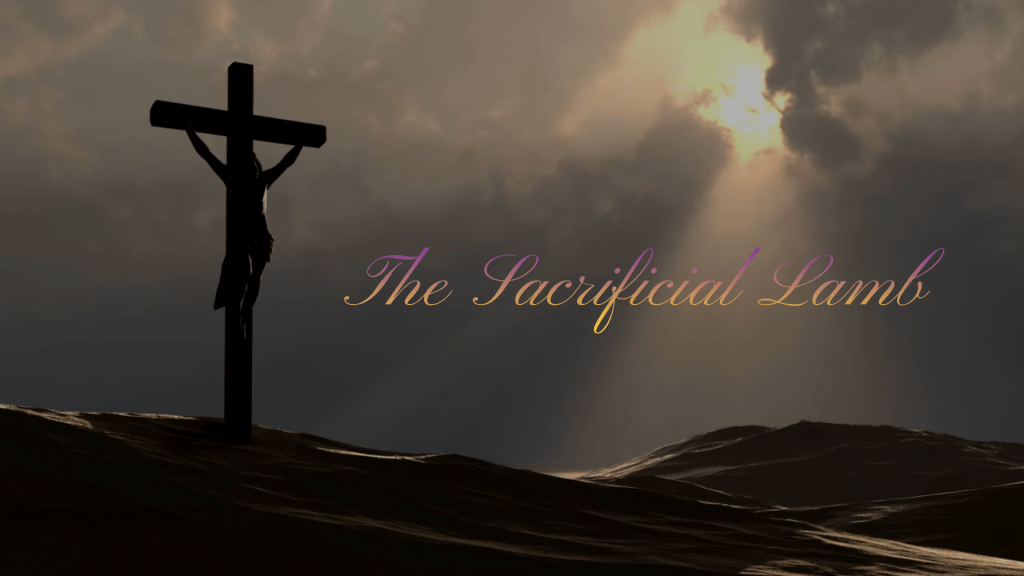
Jesus on the cross, Easter, Resurrection, Easter Day, Forgiveness

Image by Romy from Pixabay

Forgiveness is often perceived as an act of kindness, a way of letting go of past grievances. Yet, forgiveness is much more than just a moral duty or a selfless gift to others. It is a powerful, life-changing practice that can bring profound freedom and healing. In a world filled with hurt, betrayal, and misunderstanding, forgiveness holds the key to restoring peace, not just with others, but within ourselves.

In this article, we will explore the strength of forgiveness, why it is essential, and how embracing it can lead us closer to true healing and freedom.

Moving Boxes, Releasing Stress, anxiety, problems, deadlines, break ups, work problems

Photo image from Pixabay Photographer Unknown

The Power of Letting Go

At its core, forgiveness is the act of releasing the pain and anger caused by someone’s actions. When we forgive, we let go of the emotional burden that holds us hostage. Forgiveness is not about excusing the wrongs done to us or pretending that they never happened. Rather, it is about choosing to release the power that those wrongs hold over our lives.

When we carry grudges or dwell on offenses, we often end up hurting ourselves more than anyone else. Holding onto anger may feel justifiable in the moment, but over time, it can cloud our judgment, distort our relationships, and weigh down our spirits. Forgiveness breaks this cycle, allowing us to move forward with peace and a renewed sense of hope.

Many find that exploring deeper spiritual insights can support them on this journey. Resources like Spiritual Life Stories offer enriching perspectives on forgiveness and healing, guiding individuals to embrace this transformative practice with compassion and grace.

Bible, opened book, book pages, Bible pages

Image by Tep Ro from Pixabay

The Biblical Foundation of Forgiveness

In Christianity, forgiveness is deeply rooted in the teachings of Jesus. One of the most well-known passages on forgiveness comes from the Lord’s Prayer, where Jesus instructs us to pray, “Forgive us our trespasses, as we forgive those who trespass against us.” (Matthew 6:12, KJV). Jesus calls us not only to seek forgiveness but to extend it to others as well.

The Bible teaches us that forgiveness is a central component of our relationship with God and with others. Jesus himself demonstrated ultimate forgiveness on the cross when, as he was being crucified, he said, “Father, forgive them, for they do not know what they are doing.” (Luke 23:34). This radical act of forgiveness shows us the depth of God’s grace and calls us to embody that same forgiveness in our lives.

Forgiveness is not easy, especially when the pain runs deep. But we are reminded in Scripture that God forgives us, and in turn, we are called to forgive others. In Ephesians 4:32, Paul writes, “Be kind and compassionate to one another, forgiving each other, just as in Christ God forgave you.” Our forgiveness of others is a reflection of the grace we have received from God, and it is through this grace that we find healing.

woman reading a book in bed

Image by Karolina Grabowska from Pixabay

Forgiveness Brings Inner Peace

When we choose forgiveness, we make a conscious decision to let go of the negativity that weighs on our hearts. Holding onto anger or resentment can create a toxic environment in our minds, leading to stress, bitterness, and even physical ailments. Studies have shown that unforgiveness can increase anxiety, depression, and blood pressure. On the other hand, when we forgive, we allow peace to replace bitterness, and healing to take place.

Forgiveness doesn’t mean that we forget the wrongs done to us or that we condone the harmful behavior. Rather, it means that we are choosing to release the hold that those negative feelings have over us. In this process, we find freedom—a freedom that allows us to move forward without the heavy burden of past pain.

The act of forgiving can feel like a weight has been lifted from our shoulders. It creates space for healing, not only in our hearts but in our relationships. It allows us to start fresh, without the emotional baggage of resentment dragging us down.

A couple piggybacking

The Healing Process of Forgiveness

Forgiveness is not always a one-time event. Sometimes, it takes time to truly forgive, especially when the hurt is deep or ongoing. The healing process is different for everyone, and it’s important to give ourselves the grace to go through it at our own pace.

Start by acknowledging the pain. It’s okay to feel hurt, angry, or betrayed. These emotions are valid, and it’s important to process them before we can truly forgive. Suppressing or ignoring our feelings only prolongs the healing process. But as we face the pain, we can begin to release it, one step at a time.

Remember that forgiveness is a gift we give ourselves, not just the person who hurt us. It’s about reclaiming our peace and our joy. Sometimes, forgiveness involves setting healthy boundaries or seeking reconciliation, but it always starts with the decision to let go of the need for revenge or justice and embrace grace instead.

drops of water, ripples of water, rain drops

Image by roegger from Pixabay

The Ripple Effect of Forgiveness

One of the most powerful aspects of forgiveness is its ability to create a ripple effect. When we forgive, we not only heal ourselves, but we also contribute to healing those around us. Forgiveness has the power to mend broken relationships, restore trust, and create a culture of compassion and understanding.

When others see us choose forgiveness over bitterness, it can inspire them to do the same. Forgiveness encourages empathy, fosters unity, and promotes peace in our families, workplaces, and communities. It teaches us that, despite our differences and struggles, we are all human, and we all need grace.

The ripple effect of forgiveness extends beyond our immediate relationships. It impacts the way we interact with the world. When we walk in forgiveness, we choose to be agents of peace in a world that desperately needs it.

woman crying, woman upset

Forgiveness and Self-Forgiveness

While we often think about forgiveness in terms of others, it’s equally important to practice self-forgiveness. Many of us carry guilt and shame from our own mistakes and regrets. We may struggle to forgive ourselves, believing that we are unworthy of grace.

But the truth is, just as God forgives us, we are called to forgive ourselves. In 1 John 1:9, we are reminded, “If we confess our sins, he is faithful and just to forgive us our sins and to cleanse us from all unrighteousness.” Just as God forgives us, we must learn to forgive ourselves, releasing guilt and shame and embracing the freedom that comes from knowing we are forgiven.

Self-forgiveness is a powerful step toward healing and growth. It allows us to move forward in life with a sense of peace and purpose, knowing that we are not defined by our past mistakes but by the grace of God.

Holy communion, bread, wine, grapes

Image by isaiasmanica1 from Pixabay

The Power of Forgiveness

Forgiveness is not easy, but it is one of the most powerful tools we have for healing and freedom. It’s an act of strength, not weakness, and it allows us to break free from the chains of anger, resentment, and bitterness. Forgiveness brings peace to our hearts, healing to our relationships, and freedom to our souls.

When we choose to forgive, we walk in the footsteps of Christ, reflecting the grace and mercy that He extends to us each day. Forgiveness is a gift we give ourselves and those around us—a gift that has the power to transform lives, restore peace, and heal wounds.

So, if you are struggling with forgiveness, remember that it is a process, not a destination. Take it one step at a time, and know that in choosing forgiveness, you are walking in strength, healing, and the freedom that God desires for you.

May you take time to reflect on Jesus during this Resurrection season and on the act of unconditional love, grace and forgiveness that Jesus provides.

If you enjoyed this post, please share or leave your comments below.

This post was generated partially with AI and modified by the contributing author.


Contributing Author Bio: Zeeva Usman is an experienced content manager at Christian Marketing. Experts and a content specialist at Salt of Heaven, where she uses her expertise to create impactful, faith-centered content. When she’s not crafting words, Zeeva finds joy in worshiping and singing for the Lord Jesus, drawing inspiration from her faith to encourage others.


Subscribe to the newsletter which is sent directly to your inbox for devotional-style encouragement and inspirational messages, purpose-driven tools and resources created for the Body of Christ as well as faith-based entrepreneurs, creatives, personal brands, non-profits and ministry organizations. Stay current with the latest updates and strengthen your walk in the Lord.

The Leadership Series: Top Six Leadership Lessons from the Life of Joseph

man lying on desk, man sleeping on desk with computer
Image by muntazar mansory from Pixabay

In today’s rapidly evolving world, leadership is more crucial than ever. Businesses face technological disruptions, economic uncertainties, and shifting workplace dynamics. To navigate these challenges, we can draw inspiration from timeless leadership principles found in the story of Joseph.

There are many aspects of leadership that are downright difficult to navigate especially in times of turbulence. Godly leaders will often be tested repeatedly to build their character on trust, integrity, honesty, resilience, and compassion as well as stand on the principles of God’s laws and promises.  

In the story of Joseph, he was favored by his father and was given a special gift, “The coat of many colors.” Joseph shared his dream with his brothers prematurely of the vision being manifested in his life. His brothers became exceedingly jealous of Joseph and plotted to kill him but decided to sell him into slavery for a profit.

Due to this one mistake, Joseph spent years of bondage, injustice and betrayal.

His journey from betrayal to prominence offers valuable lessons that remain relevant for modern leaders.

vision, worldview
Image by JaymzArt from Pixabay
  1. Envision: Seeing Beyond the Present

Joseph was given dreams that foretold his future, but at first, no one believed him. Despite the skepticism and hardships, he never lost sight of his vision. Effective leaders today must have a clear vision and the persistence, determination and resilience to pursue it, even in the face of adversity. When leading through uncertainty, it’s crucial to communicate a compelling vision that inspires others.

Take Away: Use Wisdom and Discernment

When sharing your passions, goals, dreams, visions, aspirations and desires with others, use wisdom and discernment. The people closest to you- such as your family, friends, co-workers, etc. can be your greatest enemies. Oftentimes, people will secretly compete with you or wish and pray for your downfall. They will gossip, destroy your reputation, participate in character assassination, cause chaos or distractions to sidetrack your focus. Don’t rely on people. Take your plans to the Lord. He will order your steps and guide your path.

Application Process:

  • Define your long-term goals, timelines and deadlines, and stay committed to them.
  • Communicate your vision with your team clarity and enthusiasm.
  • Encourage your staff to align their efforts with a shared purpose.
stepping stones, rocky steps
Image by jatlee from Pixabay

2. Resilience: Turning Setbacks into Steppingstones

Joseph’s path to leadership was anything but smooth. He was betrayed by his brothers, sold into slavery, and wrongfully imprisoned. Instead of becoming bitter, he remained resilient and used each challenge as an opportunity to grow. In a world where industries are constantly shifting, leaders must be adaptable and resilient.

The Lord (God) says to my Lord (Messiah),
Sit at My right hand, until I make Your adversaries Your footstool.

Psalm 110:1

Application Process:

  • Reflect on every obstacle the Lord has brought you through to handle setbacks in faith and trust.
  • Focus on solutions rather than dwelling on problems and negativity.
  • Build your relationship with the Lord to securely stand on a solid foundation of truth
  • Learn from your failures and view your challenges as opportunities to grow and develop.

From the Pit to the Palace: Elevation of Prominence

Joseph was chosen to interpret the dreams of the chief cupbearer and baker while imprisoned in Potiphar’s household, which eventually led to Joseph being called upon to interpret Pharaoh’s dream. Out of all of the soothsayers, fortune tellers, astrologers, and divinators, no one could interpret the dream of Potipher besides Joseph. The significance of the interpretation provided great preparation for the upcoming famine in the land. His interpretation of the vison elevated him with favor and prominence to a position of power in Egypt.

woman dressed in blue, blue elegant scarf
Image by beasternchen from Pixabay

3. Character Assassination: Test of Integrity

Potiphar’s wife attraction to Joseph led him to flee temptation yet she lied to her husband. Joseph chose integrity over personal satisfaction and lust. His decision to be faithful unfortunately landed him in prison at Potipher’s house. Joseph remained faithful and gave honor to the Lord despite his uncomfortable circumstances. His unwavering faith and character ultimately positioned him for greater leadership.

Today’s leaders must uphold ethical standards, even when no one is watching.

Application Process:

  • Make decisions based on values, principles and standards, not just pleasures or gain.
  • Encourage a culture of trust and accountability in your organization.
  • Lead by example with self-respect, honesty and ethical behavior.

And we know that for those who love God all things work together for good,
for those who are called according to his purpose.

Rom 8:28
grain, wheat, field
Image by Marcin from Pixabay

5. Legendary Stewardship: Taking Responsibility over Possessions

When Joseph was elevated to a position of power in Egypt, he didn’t react impulsively. Instead, he developed a strategy to prepare for the coming famine. He stored grain during the years of abundance so that Egypt could survive the years of famine.

“But as for you, ye thought evil against me; but God meant it unto good,
to bring to pass, as it is this day, to save many people alive.

Gen 50:20

Leaders today must anticipate challenges, think strategically, prepare and plan accordingly.

Application Process:

  • Analyze market trends and industry changes to make informed decisions.
  • Pray for direction and develop contingency plans for potential crises.
  • Speak the Word of God over every decision, situation and circumstance and prioritize sustainability and long-term success over short-term gains.
Act of forgiveness, journey to forgiveness, cross
Image by Gerd Altmann from Pixabay

6. The Journey to Forgiveness: Compassion Over Revenge

Despite his brothers’ betrayal, Joseph chose forgiveness and compassion over revenge. However, he tested his brothers before he revealed himself to them. Joseph requested his brother to bring the youngest brother to him. The brothers made several trips to Potiphar’s house to request grain for survival. Joseph understood the strength of reconciliation and handled his emotions despite the pain — having self-control and being sensitive to others needs is a crucial skill in today’s world, where faith, collaboration, understanding, endurance, and empathy are vital for humanity.

Application Process:

  • Speak less and practice active listening and empathy in your interactions with others.
  • Manage conflicts with wisdom and discretion.
  • Build strong relationships by valuing people over money, power and influence.
Image by Amy from Pixabay

Leading Like Joseph in a Modern World

Joseph’s life journey demonstrates that success is not about where you start but how you react and respond to challenges. Vision, resilience, integrity, strategic thinking, and emotional sensitivity to others are important traits that can help modern leaders thrive and survive in an ever-changing landscape. As you navigate today’s complexities, implement Joseph’s example of leadership and lead with vision, purpose, wisdom, courage and resilience honoring the Lord in all that you do.

Disclosure: This post was partially generated using AI and modified by publisher.


Bible References

Gen 37, 39, 41, 50

Heb 11:22

Acts 7:14

Psalm 105:17-25


Grab a copy of the EmpowerConnect e-zine bundle! The bundle includes three specific topics of interest for the entrepreneur, creative or personal brand. The bundle provides information on developing your brand story, understanding the emotional influence of color theory, and the power of automation.

From the Crucifixion to Resurrection: The Journey of Christ through Tribulation to Victory

Jesus, Christ
Then said Jesus, Father, forgive them; for they know not what they do.  Luke 23:34

The story of the crucifixion and resurrection of Jesus Christ has evoked much emotion, contemplation, and reverence in the lives of the believer worldwide. This occurrence of sacrifice, love and forgiveness is the cornerstone of our faith. It’s a timeless event that transcends every aspect of our past, present and future which offers lessons in every area of our lives.

The crucifixion of Jesus reflects the betrayal, suffering and ultimate sacrifice. From the betrayal of Judas Iscariot, one of Jesus’s disciples, who sold Jesus’s life in exchange for money to the religious authorities which led to his arrest to the Roman governor Pontius Pilate, who ultimately sentence him to death in replacement of releasing Barabbas, a murderer and criminal, as well as the crowds who turned on him at a moment’s notice. The crucifixion was a brutal form of execution for the worst criminals.

But he was wounded for our transgressions, he was bruised for our iniquities: the chastisement of our peace was upon him; and with his stripes we are healed. 6 All we like sheep have gone astray; we have turned everyone to his own way; and the LORD hath laid on him the iniquity of us all.

Isaiah 53:5

Jesus was forced to carry his cross along the roadside while he was mocked, beaten and scourged leading to being nailed to the Cross to suffer for the remission of our sins.

From the darkness of this event to the miraculous victory, Jesus rose from the dead after three days triumphing over sin, sickness and death. It is hope and the promise of redemption. It signifies the victory of light over darkness, good over evil, and life over death.

Through the resurrection, Jesus offers believers the hope of eternal life and the promise of redemption. It is a mirrored effect of compassion, forgiveness, and selflessness as we continue to be transformed into the character of Jesus for His glory as His message resonates with people of all faiths and backgrounds.

The power of the resurrection holds lessons for humanity. It teaches us the value of sacrifice and the importance of forgiveness and the transformative power of love. In a world plagued by division, disease, famine, war, strife, violence, and suffering, it is the power of love that conquers all.

As we take time to reflect on the resurrection of Christ, let us not dwell on the past but press on to the future with hope and faith. Let us embed the Word in our heart and let it guide us to a world of peace, justice, and compassion as we journey through life mindfully focusing and practicing the lessons Jesus provided and receiving the ultimate sacrifice through His love and eternal hope Jesus offers to us.


If you have not received Christ as your Savior and you want to ensure that you receive the gift of salvation, please take a moment and say this prayer out loud:

“Lord, Jesus, I acknowledge you as my Lord and Savior. I believe that you died on the cross for my sins and was raised from the dead on the third day. I repent for my sins, poor choices, and mistakes. Come into my heart and renew my mind. Mold and shape me the way you want me to be. I open my heart to receive the Holy Spirit to guide, teach, comfort and protect me. Release me from all evil and temptation. Thank you for restoring my life. I glorify your name Jesus, who is above all names. From this day forth, I live to worship you. I praise you and rejoice to be a part of your heavenly family. I understand that I am not perfect and will make mistakes along my journey but help me to walk and lead as an example of Christ.  In Jesus Name. Amen.”

Welcome to the family of Christ. He loves you, dearly. Although you may not feel any different after saying this prayer. Just know that Jesus has heard your prayer and He lives in your heart. You have been cleansed from all of your past sin nature. There is no guilt or condemnation in Christ Jesus. Be transformed by the renewing of your mind.


Happy Resurrection Day!

Grace & Blessings,

Yolanda-


Did you know?

I can help you on your faith journey. Subscribe to my free e-newsletter to connect with me to learn more about what I’m in the process of building and become a part of the community.

Subscribe here

Related Bible Passages

1 John 1:9

If we confess our sins, He is faithful and just to forgive us our sins and to cleanse us from all unrighteousness.

John 11:25-26

Jesus said to her, “I am the resurrection and the life. He who believes in Me, though he may die, he shall live. 26 And whoever lives and believes in Me shall never die. Do you believe this?”

1 Corth 15:26-27

25 For He must reign till He has put all enemies under His feet. 26 The last enemy that will be destroyed is death. 27 For “He has put all things under His feet.” But when He says “all things are put under Him,” it is evident that He who put all things under Him is excepted.

1 Corth 15:49-52

And as we have borne the image of the man of dust, we[a] shall also bear the image of the heavenly Man.

Our Final Victory

50 Now this I say, brethren, that flesh and blood cannot inherit the kingdom of God; nor does corruption inherit incorruption. 51 Behold, I tell you a [b]mystery: We shall not all sleep, but we shall all be changed— 52 in a moment, in the twinkling of an eye, at the last trumpet. For the trumpet will sound, and the dead will be raised incorruptible, and we shall be changed.

1 Corth 15:54-57

So when this corruptible has put on incorruption, and this mortal has put on immortality, then shall be brought to pass the saying that is written: “Death is swallowed up in victory.”

55 “O[a] Death, where is your sting? O Hades, where is your victory?” 56 The sting of death is sin, and the strength of sin is the law. 57 But thanks be to God, who gives us the victory through our Lord Jesus Christ.

Phil 3:20-21

For our citizenship is in heaven, from which we also eagerly wait for the Savior, the Lord Jesus Christ, 21 who will transform our lowly body that it may be conformed to His glorious body, according to the working by which He is able even to subdue all things to Himself.

Isaiah 25:8

He will swallow up death forever,
And the Lord God will wipe away tears from all faces;
The rebuke of His people
He will take away from all the earth;
For the Lord has spoken.

Phil 2:5-11

The Humbled and Exalted Christ

Let this mind be in you which was also in Christ Jesus, who, being in the form of God, did not consider it robbery to be equal with God, but made Himself of no reputation, taking the form of a bondservant, and coming in the likeness of men. And being found in appearance as a man, He humbled Himself and became obedient to the point of death, even the death of the cross. Therefore God also has highly exalted Him and given Him the name which is above every name, 10 that at the name of Jesus every knee should bow, of those in heaven, and of those on earth, and of those under the earth, 11 and that every tongue should confess that Jesus Christ is Lord, to the glory of God the Father.