28 And when he had thus spoken, he went before, ascending up to Jerusalem.
29 And it came to pass, when he was come nigh to Bethphage and Bethany, at the mount called the mount of Olives, he sent two of his disciples,
30 Saying, Go ye into the village over against you; in the which at your entering ye shall find a colt tied, whereon yet never man sat: loose him, and bring him hither.
31 And if any man ask you, Why do ye loose him? thus shall ye say unto him, Because the Lord hath need of him.
32 And they that were sent went their way, and found even as he had said unto them.
33 And as they were loosing the colt, the owners thereof said unto them, Why loose ye the colt?
34 And they said, The Lord hath need of him.
35 And they brought him to Jesus: and they cast their garments upon the colt, and they set Jesus thereon.
36 And as he went, they spread their clothes in the way.
37 And when he was come nigh, even now at the descent of the mount of Olives, the whole multitude of the disciples began to rejoice and praise God with a loud voice for all the mighty works that they had seen;
38 Saying, Blessed be the King that cometh in the name of the Lord: peace in heaven, and glory in the highest.
39 And some of the Pharisees from among the multitude said unto him, Master, rebuke thy disciples.
40 And he answered and said unto them, I tell you that, if these should hold their peace, the stones would immediately cry out.
41 And when he was come near, he beheld the city, and wept over it,
42 Saying, If thou hadst known, even thou, at least in this thy day, the things which belong unto thy peace! but now they are hid from thine eyes.
43 For the days shall come upon thee, that thine enemies shall cast a trench about thee, and compass thee round, and keep thee in on every side,
44 And shall lay thee even with the ground, and thy children within thee; and they shall not leave in thee one stone upon another; because thou knewest not the time of thy visitation.
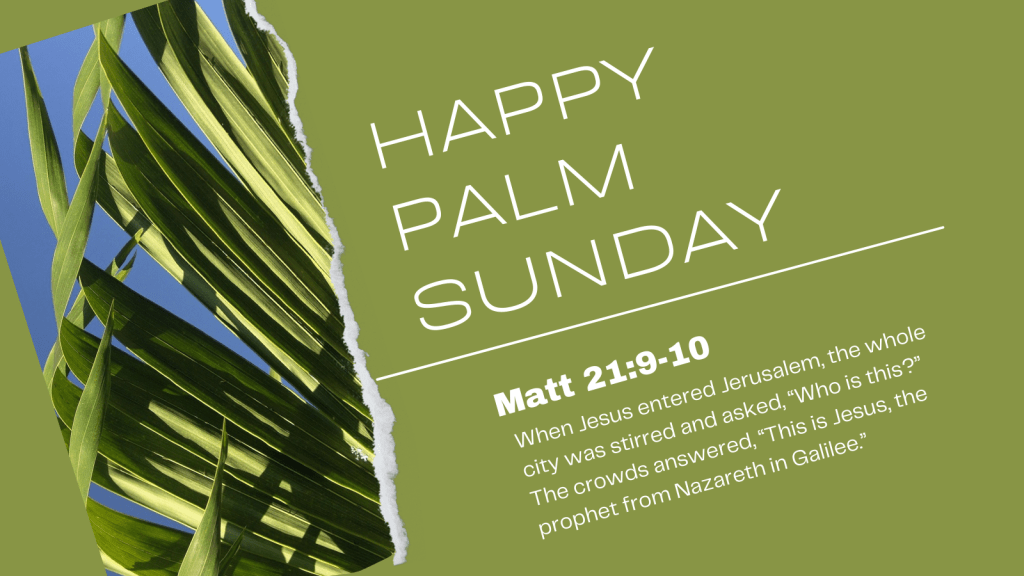
May you be filled with his presence and peace during the Holy Week season and throughout the whole year.
Solomon was the son of King David and reigned over Israel for forty years. He was known for his profound wisdom, wealth and leadership. Solomon’s writings are found in Proverbs and Ecclesiastes where his spiritual insights provide wisdom in life, leadership, and relationships.
Solomon’s wisdom was the most defining characteristic known in Jerusalem. During his rise to the throne, God offered him anything he desired but instead of asking for wealth, fame or power, Solomon requested wisdom to lead God’s people. (1 Kings 3:5-14). The Lord was pleased with Solomon and granted his desire as well as provision, riches and honor to establish his temple.
Building the House of the Lord
Solomon took great measures to build the temple of the Lord. He was specific and detailed with materials made of cedar, bronze and pure gold with fine furnishings throughout the temple including the ark of the covenant. He dedicated the temple to the Lord and held a sacrifice of peace offerings to honor the Lord.
The Lord warned Solomon if he turned away from God to worship other gods and did not keep His commandments or statutes that He would cut off Israel from the land which He had given to them and that calamity would fall on the House of the Lord.
“Blessed be the Lord, who has given rest to His people Israel, according to all that He promised. There has not failed one word of all His good promise, which He promised through His servant Moses. May He not leave us nor forsake us, that He may incline our ears to Himself, to walk in all His ways, and to keep His commandments and His statutes and His judgments, which He commanded our fathers.” (1 Kings 8:56-58).
“And that all the peoples of the earth may know that the Lord is God; there is no other. (1 Kings 8:
Solomon found favor with the Lord and men. King Hiram, the leader of Tyre, and the Queen of Sheba would exchange gifts of precious stones, spices and talents of gold to gain wisdom and insight from Solomon. Men would also gather to learn and glean from his wisdom. Solomon built a fleet of ships for his servants in an exchange for goods for international trade.
#1 Wisdom Keys: Solomon teaches us the importance of seeking wisdom over material possessions or desires. Wisdom helps us navigate life’s challenges, make sound decisions, and lead with integrity. You will receive better judgement, greater ability of discernment and spiritual insight.
“The beginning of wisdom is this: Get wisdom. Though it cost all you have, get understanding.”
Proverbs 4:7
A gentle tongue is a tree of life, but perverseness in it breaks the spirit.
Prov 15:4
Value of Humility
Despite his abundance of wisdom, Solomon remained humble in his approach to life. In his writings, he often spoke about the need to recognize one’s limitations and the sovereignty of God.
Solomon begins with a declaration: “Meaningless! Meaningless! says the Teacher. Utterly meaningless! Everything is meaningless.” He was deeply aware of the futility of human effort apart from God. Ecclesiastes 1:2
#2 WisdomKeys: Humility is essential in the pursuit of wisdom and in life itself. Recognizing that we do not have all the answers, and that our wisdom is limited so we embrace a posture of continual learning. True wisdom begins with an acknowledgment of our need for God and His guidance and acknowledge that apart from God we can do nothing.
“Pride goes before destruction, a haughty spirit before a fall.”
Proverbs 16:18
The Dangers of Arrogance, Pride and Disobedience
Despite the wisdom Solomon possessed, he was not immune to the dangers of pride and disobedience. In his later years, Solomon’s heart turned away from God. His desire for women was his downfall. He was led into marriages with a multitude of foreign wives who led him to worship other gods and idols. He allowed idolatry to take root in his heart and among the people of Israel (1 Kings 11:1-13). This led to a division of the kingdom after his death.
#3 Wisdom Keys: The story of Solomon serves as an example about the dangers of arrogance, pride, complacency, and disobedience. Even the wisest, talented and most blessed among us can fall if we become too self-reliant or forget to walk humbly with God. Remaining faithful to God and His commandments is essential for a lifetime of prosperity.
Solomon’s wealth was legendary. His kingdom was prosperous, and he amassed a fortune beyond measure. Yet, in the book of Ecclesiastes, Solomon repeatedly reflects on the emptiness of material wealth and the futility of striving for more. He writes, “Whoever loves money never has enough; whoever loves wealth is never satisfied with their income. This too is meaningless” (Ecclesiastes 5:10).
#4 WisdomKeys: While wealth can provide stability and comfort, Solomon’s reflections remind us that it does not lead to true happiness or fulfillment. Contentment, on the other hand, is a virtue that brings peace. True fulfillment comes not from accumulating wealth, but from living with purpose, gratitude, and a relationship with God.
Throughout Ecclesiastes, Solomon reflects on the fleeting nature of life. He repeatedly writes, “For everything there is a season” (Ecclesiastes 3:1-8), acknowledging the cycles of life, death, and constant change. Solomon urges readers to live wisely and make the most of their time on earth, because life is short, and no one knows what the future holds.
#5 Wisdom Keys: Life is fleeting, and we should make every moment count. Rather than being caught up in the pursuit of things that don’t last, we should focus on relationships, purpose, and eternal values.
“Now all has been heard; here is the conclusion of the matter: Fear God and keep his commandments, for this is the duty of all mankind.”
Ecclesiastes 12:13
The Power of Words
In the book of Proverbs, Solomon offers much advice on the power of words. He teaches that words can be life-giving or destructive, depending on how they are used. Wise words can bring healing, encouragement, and peace, while reckless words can harm and destroy relationships and reputations.
#6 Wisdom Keys: We should be mindful of our speech, recognizing that our words carry weight. The ability to speak wisely and with kindness is a skill that can strengthen relationships and build up others. A gentle answer turns away wrath, but a harsh word stirs up anger.” Proverbs 15:1
“The tongue has the power of life and death, and those who love it will eat its fruit.”
In the final chapters of Proverbs, Solomon offers counsel to his son, urging him to follow the path of righteousness and seek wisdom above all else. He writes of the rewards of living a righteous life, from peace and safety to honor and favor with God. Solomon’s life, despite its flaws, ultimately emphasizes the importance of leaving a legacy that honors God.
#7 Wisdom Keys: Our actions today will influence the legacy we leave behind. Like Solomon’s counsel to his son, we are called to live lives of integrity, righteousness, holiness, and faith. The decisions and choices we make will impact not only our own lives but also the lives of future generations.
In the Pursuit of Wisdom
Solomon’s life and writings continue to resonate with us because they offer deep insights into the human condition, the pursuit of wisdom, and the importance of a relationship with God. His wisdom provides a roadmap for navigating the complexities of life, encouraging us to prioritize humility, contentment, and a fear of God. By embracing these timeless lessons, we can lead lives that reflect wisdom, integrity, and purpose, just as Solomon’s reign once did.
Whether you’re facing obstacles, challenges or seeking direction, the lessons from Solomon remain a source of enduring wisdom for navigating life’s journey.
If you enjoyed this post, subscribe to the newsletter sent directly to your inbox for devotional-style encouragement and inspirational messages, purpose-driven tools and resources created for the Body of Christ as well as faith-based entrepreneurs, creatives, personal brands, non-profits and ministry organizations. Stay current with the latest updates and strengthen your walk in the Lord.
Throughout history, great leaders, entrepreneurs, businesses and movements have emerged during times of crisis, demonstrating resilience, faith, and strategic vision. One of the most compelling examples of leadership in the Bible is Nehemiah’s mission to rebuild the walls of Jerusalem. Today, as discussions about the Third Temple in Israel draws even closer to being built, leaders can learn significant lessons from Nehemiah’s unwavering dedication and apply them to modern challenges.
About Nehemiah’s Leadership: An Example for Today
Nehemiah was not a priest or prophet—he was a cupbearer to the Persian king, a position of trust and influence. When he learned of Jerusalem’s desolation, he felt a divine call to lead the restoration efforts.
His leadership teaches several timeless principles:
1. Stay Rooted in Your Purpose and Seek Wisdom
Nehemiah had a clear vision: to restore Jerusalem’s walls. Before he even started building the wall, he spent time in prayer and seeking divine guidance (Nehemiah 1:4-11). Leaders today must also define their purpose and seek wisdom before initiating major projects. Ask yourself, “What’s your why?” This question will keep you grounded when things get tough. A leader without vision is like a builder without blueprints. Learning to navigate through rough terrain will build your character and lead with tenacity.
Yet there shall be a space between you and it, about two thousand cubits by measure: come not near unto it, that ye may know the way by which ye must go: for ye have not passed this way before.
Joshua 3:4
2. Plan, Analyze and Delegate Strategically
Nehemiah did not act impulsively. He assessed the situation, gathered resources, and strategically assigned tasks to different groups (Nehemiah 2:11-18; 3:1-32). Modern leaders should prioritize the importance of planning, analyzing and delegating, ensuring the right people are in place to conduct the mission effectively. Selecting the right partnerships are important to the overall success of a project.
Nehemiah’s plan for rebuilding of Jerusalem’s walls was met with intense opposition from figures like Sanballat and Tobiah, who sought to discourage and even sabotage the work (Nehemiah 4:1-8). The people lied, mocked, and rejected him. Yet, Nehemiah’s response was unwavering faith and action. He armed the workers with a sword and a hammer while they built, ensuring both protection and progress (Nehemiah 4:9-18). Today’s leaders face political, social, and ideological opposition, but persistence and resilience are key to overcoming challenges.
4. Maintain Integrity and Serve with Excellence
Nehemiah refused to exploit his position for personal gain (Nehemiah 5:14-19). Instead, he led by example, collaborating with the people and focusing on their well-being. In a world where corruption, greed and self-interest often taint leadership, integrity, selflessness, and humble leadership remain crucial.
Challenges Facing Today’s Leaders and the Third Temple
The Bible prophesy is being fulfilled of the building of the Third Temple in Israel. It remains a sensitive and complex topic, entangled with political, religious, and historical factors. The sacrifice of the unblemished red heifer for purification of the temple is one of the greatest signs of the abomination of desolation with a ceremonial process being prepared for the upcoming Passover season. There are several challenges facing the construction of the temple due to religious conflicts in the region.
Leaders today face several obstacles that reflect Nehemiah’s challenges:
1. Political and Social Opposition
Just as Nehemiah faced external opposition, leaders working on major initiatives today encounter resistance from governments, organizations, and public opinion. Navigating these challenges requires wisdom, diplomacy, and a steadfast commitment to the mission.
2. Resource Allocation and Logistics
Rebuilding requires funding, materials, and skilled labor. Nehemiah secured resources through diplomatic engagement with King Artaxerxes.
Modern leaders must be strategic in securing financial and material support while ensuring ethical and sustainable practices. They should also be resourceful with tools, equipment and supplies.
3. Maintaining Unity Among Partnerships and Associates
Internal disputes threatened Nehemiah’s work (Nehemiah 5:1-13). Similarly, leaders today must address conflicts within their team, organization and local community to maintain unity and momentum toward their goals. (Image by Peggy und Marco Lachmann-Anke from Pixabay)
Image by Pixabay
How to Apply Nehemiah’s Lessons in Today’s World
Leaders in any sphere of influence– whether in business, education, government, the arts, media, family, or ministry —can apply the following principles:
Seek wisdom and guidance before acting.
Have clarity and communicate effectively.(Using verbal, written, and listening skills).
Plan strategically, analyze data and statistics, and delegate responsibilities.
Expect opposition, develop a thick skin and prepare to persevere.
Lead with integrity and prioritize the well-being of those you serve.
Nehemiah’s story is a powerful reminder that leadership is about relentless resilience, unwavering faith, and undeniable action. Whether building walls, institutions, or movements, today’s leaders must navigate obstacles with the same determination Nehemiah demonstrated. The call to build—whether physical structures or transformative ideas—demands courage and unwavering commitment to a higher purpose.
If you know anyone who would benefit from this post, please share as a source of encouragement and motivation.
Disclosure: This post was generated using AI and modified by publisher.
Are you enjoying” the leadership series? If so, why not join the “EmpowerConnect” newsletter which provides exclusive content, inspiration, tools and resources that’s full of value from a Biblical perspective for entrepreneurs, creatives and personal brands. Subscribe below!
















 Writing with Purpose