
In the Little Things

One thing I’ve noticed about the Lord is that He operates in seasons, patterns and cycles. He also delights in the small things. Throughout the Bible, the Lord showed His power through operating in small things and making something out of nothing. Jesus multiplied seven loaves and two fishes to feed 5000 people. The woman and her son had more than enough oil and flour during a famine to feed Elijah while trusting in God’s promises. 1 Kings 17 Another woman multiplied her oil and sold it to pay off her debts. 2 Kings 4.1

When you step out in faith, the Lord will meet you exactly where you are. In Proverbs 15:16, it states, “Better is a little with the fear of the Lord, than great treasures with trouble.” The Lord will prepare you for development, growth and capacity. There is a divine process which includes different stages and levels of development and growth to enable you to handle capacity. You cannot rush the process. The Lord will shape your character and every challenging experience that you walked through to be able to handle the pressure, weight and depth of your growth for the expansion of capacity. Your gifts, talents, abilities, and interests are packaged for your calling, purpose and assignment. Do not limit the Lord. He is omniscience, omnipotent and omni present. (Psalm 139, Isaiah 46:10, Psalm 139:1-4)

In Proverbs, 16:8-9 it states, “Better is a little with righteousness, than vast revenues without justice.” A man’s heart plans his way, but the Lord directs his steps.” Every step is a step in development leading to growth.

The Seed of Spiritual Development

Based on my experience, here are three spiritual growth phases. This is by no means the actual blueprint for your life process but only as a reference point. The Lord will divinely guide your path according to His will and plans for your life.

The Development Process

When you’re entering the phase of development. It is a season of preparation. It’s a time of exploring, discovering. experimenting and learning new things of interest. It’s a time of failure and pruning. It can be an uncomfortable process yet a time of self-discovery and fulfillment. It’s a space to embrace creativity. You may feel pulled in several directions or have no direction at all. It’s a time of isolation and idle time. Movement is slow paced. It’s a time to listen and be still.

The Growth Process

The growth process stretches you into the unknown. You seek clarity and wisdom. You do not dismiss any ideas but keep record of them. You are placed in harsh conditions to rely on God as your source. You’re constantly learning and possibly shifting to new areas to expand your knowledge and experiences. Your spiritual life becomes more tangible. You don’t see the world at surface level but understand there’s much more to life than material gain and success. Your values, morals, disciplines and principles are defined and aligned with the Lord.

The Expansion Process

The phase of expansion draws you even closer to the Lord. All reliance is based on confiding in the Lord for next steps. Courage, strength and resilience will knock on your door as you walk through higher levels of spiritual elevation and revelation. Although you may still struggle with fear or doubt, it doesn’t have the same power over you. You have authority over it. You will increase your capacity to handle tension and unstable environments with ease because you understand the power comes from the Lord who gives you the strength to overcome every scheme, plot or plan of the enemy. The creativity and ideas that the Lord has placed within you begin to surface like a seed planted in fertile ground. The years of development and growth take shape and blossom like cypress tree.

Characteristic of a cypress tree searched on Google:

Key Characteristics

  • Foliage: Typically small, scale-like leaves that hug the stems, giving a feathery look, though young plants have needle-like leaves.
  • Shape: Often conical or columnar, but can vary by species.
  • Cones: Small, woody, and round (globose).
  • Bark: Varies but often peels in strips.
  • Habitat: Many prefer moist or wet conditions, like the Bald Cypress, which thrives in water

13 Instead of the thorn shall come up the fir tree, and instead of the brier shall come up the myrtle tree: and it shall be to the Lord for a name, for an everlasting sign that shall not be cut off. Isaiah 55:13

Trust in the plan that God has for your life. He is faithful to complete the work that He has entrusted you with. “Being confident of this, that he who began a good work in you will carry it on to completion until the day of Christ Jesus.” Phil 1;6

Characteristics of a myrtle tree researched on Google:

True Myrtle (Myrtus communis)

  • Description: An evergreen shrub or small tree with fragrant leaves and sweet-smelling white flowers, producing dark berries.
  • Origin: Native to the Mediterranean region.
  • Uses: Culinary (spices), medicinal (essential oils), ornamental, and symbolic in traditions for love, beauty, and devotion. 

Subscribe to the newsletter for devotional-style content, purpose-driven tools and resources that unites a network of forward-thinkers rooted in faith, driven by purpose and devoted to personal and spiritual growth.

Subscribe below.


Music by Jason Upton

Click to enter your rest.

Related Bible Verses

Hosea 14:8

Ephraim shall say, What have I to do any more with idols? I have heard him, and observed him: I am like a green fir tree. From me is thy fruit found.

Luke 16:10

10 He that is faithful in that which is least is faithful also in much: and he that is unjust in the least is unjust also in much.

1 Corth 1:28

28 God chose the lowly things of this world and the despised things—and the things that are not—to nullify the things that are,

James 3:3-5

When we put bits into the mouths of horses to make them obey us, we can turn the whole animal. Or take ships as an example. Although they are so large and are driven by strong winds, they are steered by a very small rudder wherever the pilot wants to go. Likewise, the tongue is a small part of the body, but it makes great boasts. Consider what a great forest is set on fire by a small spark.

Prov 30:24-28

“Four things on earth are small,
    yet they are extremely wise:
25 Ants are creatures of little strength,
    yet they store up their food in the summer;
26 hyraxes are creatures of little power,
    yet they make their home in the crags;
27 locusts have no king,
    yet they advance together in ranks;
28 a lizard can be caught with the hand,
    yet it is found in kings’ palaces.

1 Corth 1:27

27 But God chose the foolish things of the world to shame the wise; God chose the weak things of the world to shame the strong.
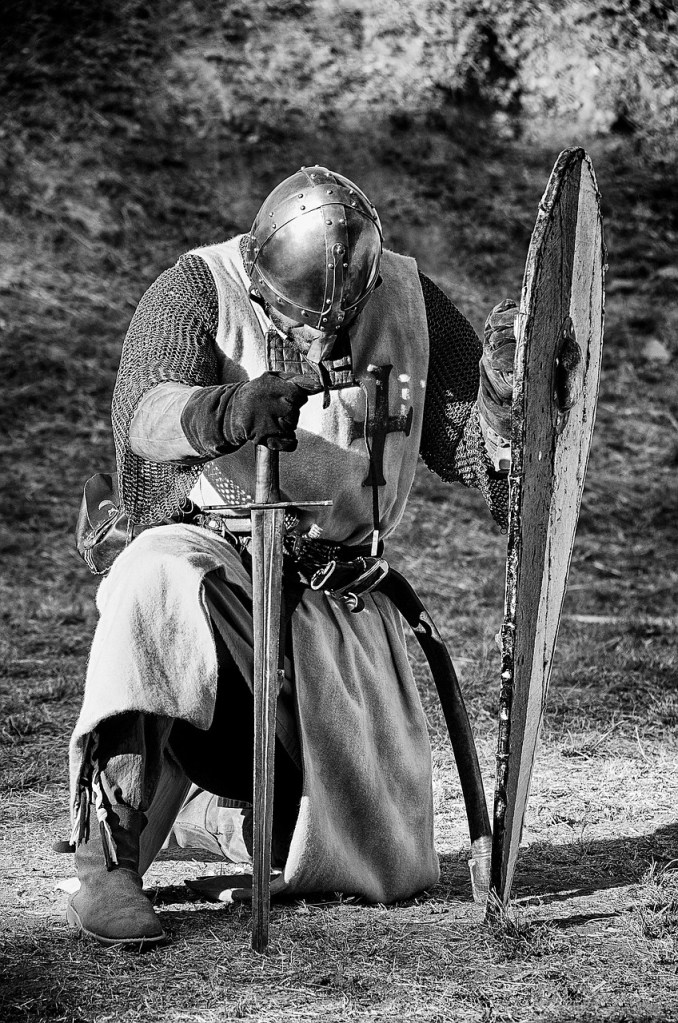
The Leadership Series: Leading through Uncertainty | The Life and Legacy of King Jehoshaphat

Image by Marco Santiago from Pixabay

Jehoshaphat was the fourth king of Judah and reigned for 25 years (approximately from 870–848 BC). He was the son of King Asa and is remembered as one of Judah’s more righteous and reform-minded rulers. His leadership was characterized by religious revival, military readiness, and poorly aligned alliances.

King Jehoshaphat was diligently devoted to God and did not seek after Baal or idol worship. The Lord established him as the leader of Judah, and he was given riches and honor in abundance. He took delight in honoring the Lord and removed all the wooden images and idolatry from Judah. (2 Chron 17:1-6)

He was heavily dependent on God to lead him through crisis. He called for national prayer and fast when a coalition of armies came against him.

“We do not know what to do, but our eyes are on you.”

2 Chronicles 20:12

Photo image of wooden idols generated by Yolanda Berry utilizing AI

King Jehoshaphat was a strategic leader who strengthened Judah by building fortified cities and maintaining a strong army and establishing a system of judges rooted in justice and the fear of the Lord. 2 Chron 19:4-11

He also encouraged peace during a time of division, aiming to unify God’s people. His greatest mistake was building alliances with ungodly and wicked kings of Israel – King Ahab and Ahaziah which led to a failed trading excursion where all their work and ships were wrecked by the hand of God.

In times of uncertainty that we’re experiencing today, we can draw from the timeless lessons of Jehoshaphat—whether in business, ministry, or personal development there are nuggets of wisdom to glean from in his life and legacy.

Image by ha11ok from Pixabay

Life and Legacy

Jehoshaphat left behind a bilateral legacy: a godly king who led spiritual revival and trusted God in crisis, but who compromised his faith in God by partnering with ungodly leaders. He is commended for walking in the ways of the Lord and striving to lead Judah in righteousness despite his poor choices.

His heart was devoted to the ways of the Lord…”

2 Chronicles 17:6

What can we learn from Jehoshaphat?

Five Lessons and Application Principles

  1. Lesson in Poor Judgment and Discernment

Despite being a godly man, Jehoshaphat sometimes displayed poor discernment in choosing partners, seemingly prioritizing unity or prosperity over righteousness.

2. Prioritize Alignment with God’s Vision

One of Jehoshaphat’s first moves as king was a spiritual one: he set his heart to seek the Lord. He didn’t begin with a political agenda, a marketing campaign, or a military strategy—he began by aligning his leadership with divine purpose.

Application Principle:

In a world filled with noise, trends, competition and pressure to chase quick wins, true leadership begins with clarity of purpose. Whether you’re leading your family, a business, a nonprofit, or a creative project, take time to anchor your mission.

Are my values aligned with something greater than success? Am I leading with integrity, vision, and spiritual clarity?

“The Lord was with Jehoshaphat because he followed the ways of his father David before him. He did not consult the Baals but sought the God of his father.”

2 Chronicles 17:3–4

3. Invest in Education and Empowerment

Jehoshaphat did something extraordinary: he sent out teachers to every city in Judah to instruct the people in the ways of God (2 Chronicles 17:7–9). He understood that he could not complete this task alone. He also understood that training well-informed and spiritually rooted people would lead to a strong kingdom mindset. There is strength in numbers.

Application Principle:

Great leaders don’t hoard knowledge- they cultivate and nurture it in others. A culture of empowerment leads to resilience and strength in uncertain times.

In your organization or community, how are you empowering others to grow? Are you mentoring, teaching, or creating systems that promote continuous learning?


4. Be Willing to Seek Counsel and Correction

One of Jehoshaphat’s leadership flaws was his alliance with King Ahab of Israel. When he was rebuked by the prophet Jehu (2 Chronicles 19:2–3), instead of resisting correction, Jehoshaphat humbled himself and made changes.

Application Principle:

Mistakes often happen, but wise leaders seek feedback and make adjustments. It’s ok to make mistakes. It’s one of our greatest teachers, however it’s important to surround yourself with people who will speak the truth—even when it’s uncomfortable. And when the truth hits hard, don’t shrink instead dissect it, reflect on it, embrace it and grow.


5. Lead with Faith and Loose Fear

Jehoshaphat prayed and fasted then sent worshippers ahead of the army—praising God in advance of the battle. God fought for Judah, and they experienced a miraculous victory.

Application Principle:

Due to the current instability in these times—economic shifts, technological disruption, social, political and cultural changes, lead with faith. Don’t rush into battle without clarity. Take time to pause, reflect, pray, and strategize. Sometimes, your biggest breakthroughs will come not through force, but through faith-filled surrender and praise.

Tomorrow, go down against them.
They will surely come up by the Ascent of Ziz,
and you will find them at the end of the Wilderness of Jeruel.
You will not need to fight in this battle.
Position yourselves, stand still and see the salvation of the Lord,
who is with you, O Judah and Jerusalem!
Do not fear or be dismayed tomorrow
go out against them, for the Lord is with you.”

2 Chron 20:16-17

6. Build Systems and Fortify What You Have

Jehoshaphat didn’t only focus on spiritual matters. He also strengthened his cities, appointed judges, and implemented systems of justice and governance (2 Chronicles 19:4–11). He understood the significance of leadership and administration.

Application Principle:

Vision without organizational systems leads to burnout. As the world evolves, so should your workflow, infrastructure, and decision-making processes. Whether you’re leading a team, a church, or your own brand, build solid systems that support a strong foundation, long-term sustainability, and clarity of vision.


History always seems to repeat itself. In many ways, we are living in a period of time similar to Jehoshaphat. The world is unstable, challenges are unexpected, and the masses are seeking leaders with strong character and who have values, morals, integrity, wisdom, courage and humility.

We all have the ability to be role models of leadership who:

  • Make wise decisions and live righteously
  • Align our lives with purpose
  • Empower others through education
  • Embrace feedback with humility
  • Stand firm in faith amdist fear
  • And build workflows and systems that serve with vision

Because in the end, leadership is not just about getting through the battle-it’s about helping others thrive on the other side of it.


This concludes the leadership series. I hope you enjoyed the series and please share with a friend or associate who would benefit from the message. Please feel free to leave your comments or feedback below.

Subscribe to the newsletter sent directly to your inbox for devotional-style encouragement and inspirational messages, purpose-driven tools and resources created for the Body of Christ as well as faith-based entrepreneurs, creatives, personal brands, non-profits and ministry organizations. Stay current with the latest updates and strengthen your walk in the Lord.

The Leadership Series: Activate Your Faith and Unlock the Promises of God from the Timeless Truth and Lessons of the Days of Noah

Noah gathered the animals two by two into the ark.

Image by Peter Schmidt from Pixabay


We are living in unprecedented times. Every system that we relied on is being shaken from the ability of man and by the hand of God. The foundations are being uprooted, and the entire process is being dismantled. There is no change under the sun that God was not aware of or did not allow because He is in full control of this whole earth.

We are living in the days of Noah. The world has become exceedingly wicked, corrupt, and perverted. We are witnessing and experiencing things that we could never imagine.

Noah's Ark

Image by Ken Williams from Pixabay

Noah was a man of faith who was warned by God to build an ark because of the wickedness and violence in the world. He was given precise instructions on how to build the ark to save himself and his family from a devastating flood that would destroy the entire earth.

Most people may not view Noah as one of the noble leaders in the Bible, but he was a leader of his household and preserved life for the future generations. He also demonstrated strong traits and qualities of great leadership.

26 At that time his voice shook the earth, but now he has promised, “Once more I will shake not only the earth but also the heavens.” 27 The words “once more” indicate the removing of what can be shaken—that is, created things—so that what cannot be shaken may remain.

Heb 12:26-27
Blueprint, pen, ruler, architect

Image by Pixabay Photographer Unknown

Here are seven key characteristics of Noah that we can apply in today’s challenging landscape.

  1. Noah was obedient in God’s commands.

Noah worked feverously to build the ark according to the instructions and precise measurements that the Lord gave him. This was not an overnight process. It took Noah years to nail the last peg into the ark. He did not question his instructions but moved in obedience despite the criticism, mockery, and judgement of the people. Noah maintained his focus despite the opposition and pressures around him. He was faithful to his assignment and to the vision and purpose regardless of the current conditions of doubt, disbelief, and skepticism of his environment.

2. Noah was chosen by God.

Noah was a man of faith and a man of righteousness. He had integrity and honored God. In return, the Lord granted him favor and protection from a sinful and wicked generation.

Lesson: Leaders are built on trust. They lead with high values, morals and ethical standards and procedures which provide a role model for others to follow. They do not cower under pressure but stand in confidence and assurance of God’s plan.

sunset, beach

3. Noah persevered in the face of adversity.

Despite the obstacles and rejection, Noah continued building the ark during opposition. He remained steadfast in his mission regardless of what it looked like.

Lesson: Resilience is the key to great leadership. When you can overcome barriers and setbacks, overlook ridicule, and continue with hard work, determination and persistence, leaders will rise above every conflict and resistance they face.

hammer, nails, wrench, tools

Image by Steve Buissinne from Pixabay

4. Noah moved according to God’s divine plan.

Noah gathered the supplies and material needed for the job. He organized the construction, followed appropriate instructions given by God to execute the plan that God had designed.

Lesson: Leaders pay attention to extreme details and strategically plan their course of action with precision.

5. Noah was adaptable and pliable to change.

Noah did not know what to expect upon exiting the ark. He entered a whole new world after the flood receded. He had to accept change and adapt to the new reality that life would never be the same as he knew it. He had to confront any fear or doubt and continuously walk by faith.

Lessons: Leaders must be flexible and adaptable to unknown situations, settings, and environments. They must be able to shift without notice. They must be comfortable with uncertainty and the unknown. A strong leader should be pliable to lead others through major transitions and guide with wisdom and authority. They should have the ability to navigate rough terrain with confidence knowing that the Lord will order their steps.

flower, growth, spring

6. Noah preserved life and survival for generations.

Due to Noah’s faith and obedience, he saved his household and the animals from death and extinction which provided life-long implications for generations to come.

Lesson: With leadership, comes great responsibilities. Whatever God has entrusted you with, you must steward the tools and resources well to safeguard your future as well as guide others toward a shared goal.

storms, waves

7. Noah trusted the process.

Noah’s faith was rooted in stability of trusting God. He needed faith to sustain and complete the mission, even though there was not a cloud in the sky and no promise of rain on the horizon while building the ark. His steadfast faith in God’s plan provided the stability and protection to secure him through the storm.

Lesson: Leaders must have faith in their assignment. They must build confidence and have belief in their mission while facing obstacles, setbacks, resistance, and challenges which will pave the way for others and provide a roadmap or blueprint to build their faith and trust God in their purpose and plan for their lives.

Noah’s effective leadership model is an exceptional act of faith that was built on resilience and a strategic approach to completing an overwhelming task which seemed impossible at the time.

Leading and Preparing for Impact

In a world faced with constant change, uncertainty, and instability, embracing these tactics and strategies will help leaders navigate the unexpected changes, transitions, and challenges they face today. Let us all remain steadfast in faith, holding onto our values, integrity, morals with courage and confidence to face and overcome adversity on every side.

Disclosure: This post was partially generated with AI and modified by the publisher.


If you enjoyed this post, subscribe to the newsletter sent directly to your inbox for devotional-style content, purpose-driven tools and resources created for the Body of Christ as well as faith-based entrepreneurs, creatives, personal brands, non-profits and ministry organizations.


Related Bible Verses

Matt 7:18

1 Corth 15:33

Psalm 1:1

Heb 11:7

Matt 24:37-39

2 Peter 3:3

Matt 25:14-30

Prov 18:16

Heb 11:1

Gen 5-10