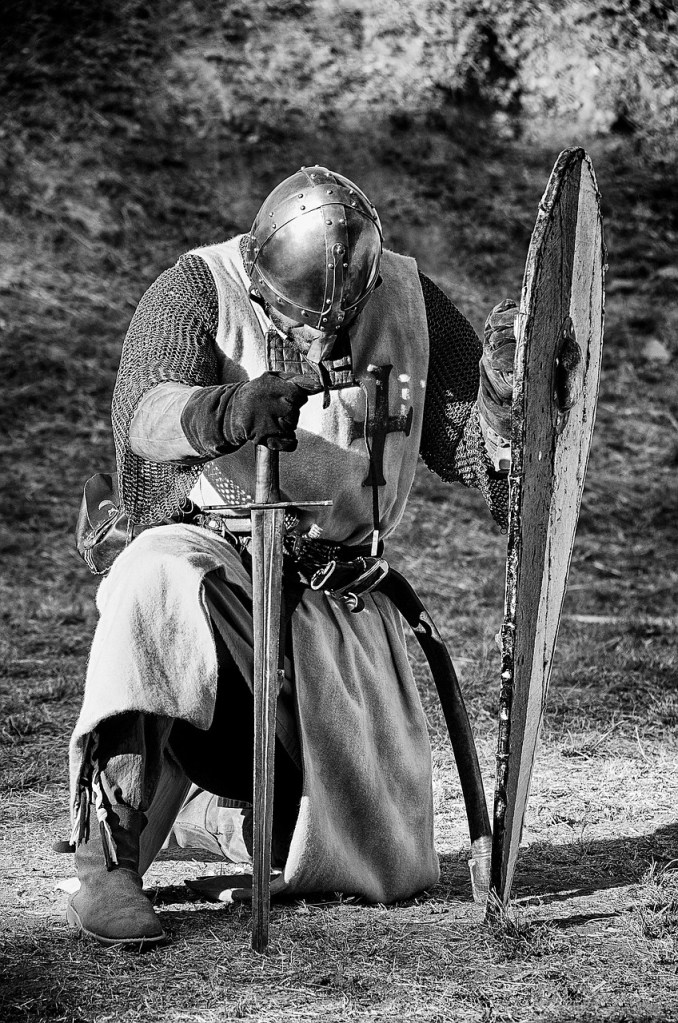
The Leadership Series: Leading through Uncertainty | The Life and Legacy of King Jehoshaphat

Image by Marco Santiago from Pixabay

Jehoshaphat was the fourth king of Judah and reigned for 25 years (approximately from 870–848 BC). He was the son of King Asa and is remembered as one of Judah’s more righteous and reform-minded rulers. His leadership was characterized by religious revival, military readiness, and poorly aligned alliances.

King Jehoshaphat was diligently devoted to God and did not seek after Baal or idol worship. The Lord established him as the leader of Judah, and he was given riches and honor in abundance. He took delight in honoring the Lord and removed all the wooden images and idolatry from Judah. (2 Chron 17:1-6)

He was heavily dependent on God to lead him through crisis. He called for national prayer and fast when a coalition of armies came against him.

“We do not know what to do, but our eyes are on you.”

2 Chronicles 20:12

Photo image of wooden idols generated by Yolanda Berry utilizing AI

King Jehoshaphat was a strategic leader who strengthened Judah by building fortified cities and maintaining a strong army and establishing a system of judges rooted in justice and the fear of the Lord. 2 Chron 19:4-11

He also encouraged peace during a time of division, aiming to unify God’s people. His greatest mistake was building alliances with ungodly and wicked kings of Israel – King Ahab and Ahaziah which led to a failed trading excursion where all their work and ships were wrecked by the hand of God.

In times of uncertainty that we’re experiencing today, we can draw from the timeless lessons of Jehoshaphat—whether in business, ministry, or personal development there are nuggets of wisdom to glean from in his life and legacy.

Image by ha11ok from Pixabay

Life and Legacy

Jehoshaphat left behind a bilateral legacy: a godly king who led spiritual revival and trusted God in crisis, but who compromised his faith in God by partnering with ungodly leaders. He is commended for walking in the ways of the Lord and striving to lead Judah in righteousness despite his poor choices.

His heart was devoted to the ways of the Lord…”

2 Chronicles 17:6

What can we learn from Jehoshaphat?

Five Lessons and Application Principles

  1. Lesson in Poor Judgment and Discernment

Despite being a godly man, Jehoshaphat sometimes displayed poor discernment in choosing partners, seemingly prioritizing unity or prosperity over righteousness.

2. Prioritize Alignment with God’s Vision

One of Jehoshaphat’s first moves as king was a spiritual one: he set his heart to seek the Lord. He didn’t begin with a political agenda, a marketing campaign, or a military strategy—he began by aligning his leadership with divine purpose.

Application Principle:

In a world filled with noise, trends, competition and pressure to chase quick wins, true leadership begins with clarity of purpose. Whether you’re leading your family, a business, a nonprofit, or a creative project, take time to anchor your mission.

Are my values aligned with something greater than success? Am I leading with integrity, vision, and spiritual clarity?

“The Lord was with Jehoshaphat because he followed the ways of his father David before him. He did not consult the Baals but sought the God of his father.”

2 Chronicles 17:3–4

3. Invest in Education and Empowerment

Jehoshaphat did something extraordinary: he sent out teachers to every city in Judah to instruct the people in the ways of God (2 Chronicles 17:7–9). He understood that he could not complete this task alone. He also understood that training well-informed and spiritually rooted people would lead to a strong kingdom mindset. There is strength in numbers.

Application Principle:

Great leaders don’t hoard knowledge- they cultivate and nurture it in others. A culture of empowerment leads to resilience and strength in uncertain times.

In your organization or community, how are you empowering others to grow? Are you mentoring, teaching, or creating systems that promote continuous learning?


4. Be Willing to Seek Counsel and Correction

One of Jehoshaphat’s leadership flaws was his alliance with King Ahab of Israel. When he was rebuked by the prophet Jehu (2 Chronicles 19:2–3), instead of resisting correction, Jehoshaphat humbled himself and made changes.

Application Principle:

Mistakes often happen, but wise leaders seek feedback and make adjustments. It’s ok to make mistakes. It’s one of our greatest teachers, however it’s important to surround yourself with people who will speak the truth—even when it’s uncomfortable. And when the truth hits hard, don’t shrink instead dissect it, reflect on it, embrace it and grow.


5. Lead with Faith and Loose Fear

Jehoshaphat prayed and fasted then sent worshippers ahead of the army—praising God in advance of the battle. God fought for Judah, and they experienced a miraculous victory.

Application Principle:

Due to the current instability in these times—economic shifts, technological disruption, social, political and cultural changes, lead with faith. Don’t rush into battle without clarity. Take time to pause, reflect, pray, and strategize. Sometimes, your biggest breakthroughs will come not through force, but through faith-filled surrender and praise.

Tomorrow, go down against them.
They will surely come up by the Ascent of Ziz,
and you will find them at the end of the Wilderness of Jeruel.
You will not need to fight in this battle.
Position yourselves, stand still and see the salvation of the Lord,
who is with you, O Judah and Jerusalem!
Do not fear or be dismayed tomorrow
go out against them, for the Lord is with you.”

2 Chron 20:16-17

6. Build Systems and Fortify What You Have

Jehoshaphat didn’t only focus on spiritual matters. He also strengthened his cities, appointed judges, and implemented systems of justice and governance (2 Chronicles 19:4–11). He understood the significance of leadership and administration.

Application Principle:

Vision without organizational systems leads to burnout. As the world evolves, so should your workflow, infrastructure, and decision-making processes. Whether you’re leading a team, a church, or your own brand, build solid systems that support a strong foundation, long-term sustainability, and clarity of vision.


History always seems to repeat itself. In many ways, we are living in a period of time similar to Jehoshaphat. The world is unstable, challenges are unexpected, and the masses are seeking leaders with strong character and who have values, morals, integrity, wisdom, courage and humility.

We all have the ability to be role models of leadership who:

  • Make wise decisions and live righteously
  • Align our lives with purpose
  • Empower others through education
  • Embrace feedback with humility
  • Stand firm in faith amdist fear
  • And build workflows and systems that serve with vision

Because in the end, leadership is not just about getting through the battle-it’s about helping others thrive on the other side of it.


This concludes the leadership series. I hope you enjoyed the series and please share with a friend or associate who would benefit from the message. Please feel free to leave your comments or feedback below.

Subscribe to the newsletter sent directly to your inbox for devotional-style encouragement and inspirational messages, purpose-driven tools and resources created for the Body of Christ as well as faith-based entrepreneurs, creatives, personal brands, non-profits and ministry organizations. Stay current with the latest updates and strengthen your walk in the Lord.


The Leadership Series: Building in the Middle of Opposition | Lessons from Nehemiah and the Third Temple

bricks, stone wall, brick wall

Photo image by Pixabay meineresterampe

Throughout history, great leaders, entrepreneurs, businesses and movements have emerged during times of crisis, demonstrating resilience, faith, and strategic vision. One of the most compelling examples of leadership in the Bible is Nehemiah’s mission to rebuild the walls of Jerusalem. Today, as discussions about the Third Temple in Israel draws even closer to being built, leaders can learn significant lessons from Nehemiah’s unwavering dedication and apply them to modern challenges.

About Nehemiah’s Leadership: An Example for Today

Nehemiah was not a priest or prophet—he was a cupbearer to the Persian king, a position of trust and influence. When he learned of Jerusalem’s desolation, he felt a divine call to lead the restoration efforts.

Image by Pixabay Borko Manigoda

artilects blueprints, plans

Images by Pixabay borevina

His leadership teaches several timeless principles:

1. Stay Rooted in Your Purpose and Seek Wisdom

Nehemiah had a clear vision: to restore Jerusalem’s walls. Before he even started building the wall, he spent time in prayer and seeking divine guidance (Nehemiah 1:4-11). Leaders today must also define their purpose and seek wisdom before initiating major projects. Ask yourself, “What’s your why?” This question will keep you grounded when things get tough. A leader without vision is like a builder without blueprints. Learning to navigate through rough terrain will build your character and lead with tenacity.

blueprints, plans, buildings, construction

Image by Pixabay Sponsored Images

Yet there shall be a space between you and it, about two thousand cubits by measure: come not near unto it, that ye may know the way by which ye must go: for ye have not passed this way before.

Joshua 3:4

2. Plan, Analyze and Delegate Strategically

Nehemiah did not act impulsively. He assessed the situation, gathered resources, and strategically assigned tasks to different groups (Nehemiah 2:11-18; 3:1-32). Modern leaders should prioritize the importance of planning, analyzing and delegating, ensuring the right people are in place to conduct the mission effectively. Selecting the right partnerships are important to the overall success of a project.

tools, building, hammer, wrench

Image by Pixabay Public Domain Pictures

3. Overcome Opposition and Criticism

Nehemiah’s plan for rebuilding of Jerusalem’s walls was met with intense opposition from figures like Sanballat and Tobiah, who sought to discourage and even sabotage the work (Nehemiah 4:1-8). The people lied, mocked, and rejected him. Yet, Nehemiah’s response was unwavering faith and action. He armed the workers with a sword and a hammer while they built, ensuring both protection and progress (Nehemiah 4:9-18). Today’s leaders face political, social, and ideological opposition, but persistence and resilience are key to overcoming challenges.

4. Maintain Integrity and Serve with Excellence

Nehemiah refused to exploit his position for personal gain (Nehemiah 5:14-19). Instead, he led by example, collaborating with the people and focusing on their well-being. In a world where corruption, greed and self-interest often taint leadership, integrity, selflessness, and humble leadership remain crucial.

construction, under construction, caution

Image by Pixabay Quince Creative

Challenges Facing Today’s Leaders and the Third Temple

The Bible prophesy is being fulfilled of the building of the Third Temple in Israel. It remains a sensitive and complex topic, entangled with political, religious, and historical factors. The sacrifice of the unblemished red heifer for purification of the temple is one of the greatest signs of the abomination of desolation with a ceremonial process being prepared for the upcoming Passover season. There are several challenges facing the construction of the temple due to religious conflicts in the region.

Leaders today face several obstacles that reflect Nehemiah’s challenges:

1. Political and Social Opposition

Just as Nehemiah faced external opposition, leaders working on major initiatives today encounter resistance from governments, organizations, and public opinion. Navigating these challenges requires wisdom, diplomacy, and a steadfast commitment to the mission.

2. Resource Allocation and Logistics

Rebuilding requires funding, materials, and skilled labor. Nehemiah secured resources through diplomatic engagement with King Artaxerxes.

Modern leaders must be strategic in securing financial and material support while ensuring ethical and sustainable practices. They should also be resourceful with tools, equipment and supplies.

3. Maintaining Unity Among Partnerships and Associates

Internal disputes threatened Nehemiah’s work (Nehemiah 5:1-13). Similarly, leaders today must address conflicts within their team, organization and local community to maintain unity and momentum toward their goals. (Image by Peggy und Marco Lachmann-Anke from Pixabay)

Image by Pixabay

How to Apply Nehemiah’s Lessons in Today’s World

Leaders in any sphere of influence– whether in business, education, government, the arts, media, family, or ministry —can apply the following principles:

  • Seek wisdom and guidance before acting.
  • Have clarity and communicate effectively. (Using verbal, written, and listening skills).
  • Plan strategically, analyze data and statistics, and delegate responsibilities.
  • Expect opposition, develop a thick skin and prepare to persevere.
  • Lead with integrity and prioritize the well-being of those you serve.

Nehemiah’s story is a powerful reminder that leadership is about relentless resilience, unwavering faith, and undeniable action. Whether building walls, institutions, or movements, today’s leaders must navigate obstacles with the same determination Nehemiah demonstrated. The call to build—whether physical structures or transformative ideas—demands courage and unwavering commitment to a higher purpose.

If you know anyone who would benefit from this post, please share as a source of encouragement and motivation.

Disclosure: This post was generated using AI and modified by publisher.


Are you enjoying” the leadership series? If so, why not join the “EmpowerConnect” newsletter which provides exclusive content, inspiration, tools and resources that’s full of value from a Biblical perspective for entrepreneurs, creatives and personal brands. Subscribe below!


The Third Temple and Red Heifer | Bible Verses

1 Corth 3:16-17

2 Corth 6:16-17

Acts 7:48-50

Matt 24:37-39

Luke 21:20

Matt 24:34

Matt 24:20-21

Rev 13

Numbers 19

Additional Bible Verses

Gal 6:9

James 1:2-4

Rom 5:3-5

Heb 10:36

James 1:2-4

Lam 3:22-24

Rom 2:7

The Leadership Series: Top Six Leadership Lessons from the Life of Joseph

man lying on desk, man sleeping on desk with computer
Image by muntazar mansory from Pixabay

In today’s rapidly evolving world, leadership is more crucial than ever. Businesses face technological disruptions, economic uncertainties, and shifting workplace dynamics. To navigate these challenges, we can draw inspiration from timeless leadership principles found in the story of Joseph.

There are many aspects of leadership that are downright difficult to navigate especially in times of turbulence. Godly leaders will often be tested repeatedly to build their character on trust, integrity, honesty, resilience, and compassion as well as stand on the principles of God’s laws and promises.  

In the story of Joseph, he was favored by his father and was given a special gift, “The coat of many colors.” Joseph shared his dream with his brothers prematurely of the vision being manifested in his life. His brothers became exceedingly jealous of Joseph and plotted to kill him but decided to sell him into slavery for a profit.

Due to this one mistake, Joseph spent years of bondage, injustice and betrayal.

His journey from betrayal to prominence offers valuable lessons that remain relevant for modern leaders.

vision, worldview
Image by JaymzArt from Pixabay
  1. Envision: Seeing Beyond the Present

Joseph was given dreams that foretold his future, but at first, no one believed him. Despite the skepticism and hardships, he never lost sight of his vision. Effective leaders today must have a clear vision and the persistence, determination and resilience to pursue it, even in the face of adversity. When leading through uncertainty, it’s crucial to communicate a compelling vision that inspires others.

Take Away: Use Wisdom and Discernment

When sharing your passions, goals, dreams, visions, aspirations and desires with others, use wisdom and discernment. The people closest to you- such as your family, friends, co-workers, etc. can be your greatest enemies. Oftentimes, people will secretly compete with you or wish and pray for your downfall. They will gossip, destroy your reputation, participate in character assassination, cause chaos or distractions to sidetrack your focus. Don’t rely on people. Take your plans to the Lord. He will order your steps and guide your path.

Application Process:

  • Define your long-term goals, timelines and deadlines, and stay committed to them.
  • Communicate your vision with your team clarity and enthusiasm.
  • Encourage your staff to align their efforts with a shared purpose.
stepping stones, rocky steps
Image by jatlee from Pixabay

2. Resilience: Turning Setbacks into Steppingstones

Joseph’s path to leadership was anything but smooth. He was betrayed by his brothers, sold into slavery, and wrongfully imprisoned. Instead of becoming bitter, he remained resilient and used each challenge as an opportunity to grow. In a world where industries are constantly shifting, leaders must be adaptable and resilient.

The Lord (God) says to my Lord (Messiah),
Sit at My right hand, until I make Your adversaries Your footstool.

Psalm 110:1

Application Process:

  • Reflect on every obstacle the Lord has brought you through to handle setbacks in faith and trust.
  • Focus on solutions rather than dwelling on problems and negativity.
  • Build your relationship with the Lord to securely stand on a solid foundation of truth
  • Learn from your failures and view your challenges as opportunities to grow and develop.

From the Pit to the Palace: Elevation of Prominence

Joseph was chosen to interpret the dreams of the chief cupbearer and baker while imprisoned in Potiphar’s household, which eventually led to Joseph being called upon to interpret Pharaoh’s dream. Out of all of the soothsayers, fortune tellers, astrologers, and divinators, no one could interpret the dream of Potipher besides Joseph. The significance of the interpretation provided great preparation for the upcoming famine in the land. His interpretation of the vison elevated him with favor and prominence to a position of power in Egypt.

woman dressed in blue, blue elegant scarf
Image by beasternchen from Pixabay

3. Character Assassination: Test of Integrity

Potiphar’s wife attraction to Joseph led him to flee temptation yet she lied to her husband. Joseph chose integrity over personal satisfaction and lust. His decision to be faithful unfortunately landed him in prison at Potipher’s house. Joseph remained faithful and gave honor to the Lord despite his uncomfortable circumstances. His unwavering faith and character ultimately positioned him for greater leadership.

Today’s leaders must uphold ethical standards, even when no one is watching.

Application Process:

  • Make decisions based on values, principles and standards, not just pleasures or gain.
  • Encourage a culture of trust and accountability in your organization.
  • Lead by example with self-respect, honesty and ethical behavior.

And we know that for those who love God all things work together for good,
for those who are called according to his purpose.

Rom 8:28
grain, wheat, field
Image by Marcin from Pixabay

5. Legendary Stewardship: Taking Responsibility over Possessions

When Joseph was elevated to a position of power in Egypt, he didn’t react impulsively. Instead, he developed a strategy to prepare for the coming famine. He stored grain during the years of abundance so that Egypt could survive the years of famine.

“But as for you, ye thought evil against me; but God meant it unto good,
to bring to pass, as it is this day, to save many people alive.

Gen 50:20

Leaders today must anticipate challenges, think strategically, prepare and plan accordingly.

Application Process:

  • Analyze market trends and industry changes to make informed decisions.
  • Pray for direction and develop contingency plans for potential crises.
  • Speak the Word of God over every decision, situation and circumstance and prioritize sustainability and long-term success over short-term gains.
Act of forgiveness, journey to forgiveness, cross
Image by Gerd Altmann from Pixabay

6. The Journey to Forgiveness: Compassion Over Revenge

Despite his brothers’ betrayal, Joseph chose forgiveness and compassion over revenge. However, he tested his brothers before he revealed himself to them. Joseph requested his brother to bring the youngest brother to him. The brothers made several trips to Potiphar’s house to request grain for survival. Joseph understood the strength of reconciliation and handled his emotions despite the pain — having self-control and being sensitive to others needs is a crucial skill in today’s world, where faith, collaboration, understanding, endurance, and empathy are vital for humanity.

Application Process:

  • Speak less and practice active listening and empathy in your interactions with others.
  • Manage conflicts with wisdom and discretion.
  • Build strong relationships by valuing people over money, power and influence.
Image by Amy from Pixabay

Leading Like Joseph in a Modern World

Joseph’s life journey demonstrates that success is not about where you start but how you react and respond to challenges. Vision, resilience, integrity, strategic thinking, and emotional sensitivity to others are important traits that can help modern leaders thrive and survive in an ever-changing landscape. As you navigate today’s complexities, implement Joseph’s example of leadership and lead with vision, purpose, wisdom, courage and resilience honoring the Lord in all that you do.

Disclosure: This post was partially generated using AI and modified by publisher.


Bible References

Gen 37, 39, 41, 50

Heb 11:22

Acts 7:14

Psalm 105:17-25


Grab a copy of the EmpowerConnect e-zine bundle! The bundle includes three specific topics of interest for the entrepreneur, creative or personal brand. The bundle provides information on developing your brand story, understanding the emotional influence of color theory, and the power of automation.